
Last Updated: 8/9/26
⚡ Quick Facts
Bushings look simple — a sleeve of metal between two moving parts — but heating one incorrectly is one of the fastest ways to warp a housing, crack a casting, or spend an extra hour fighting a fastener that should have come out in seconds. This guide covers what bushings actually need thermally, how induction heating compares to a torch or oven, and the exact process for heating and removing them without damage.
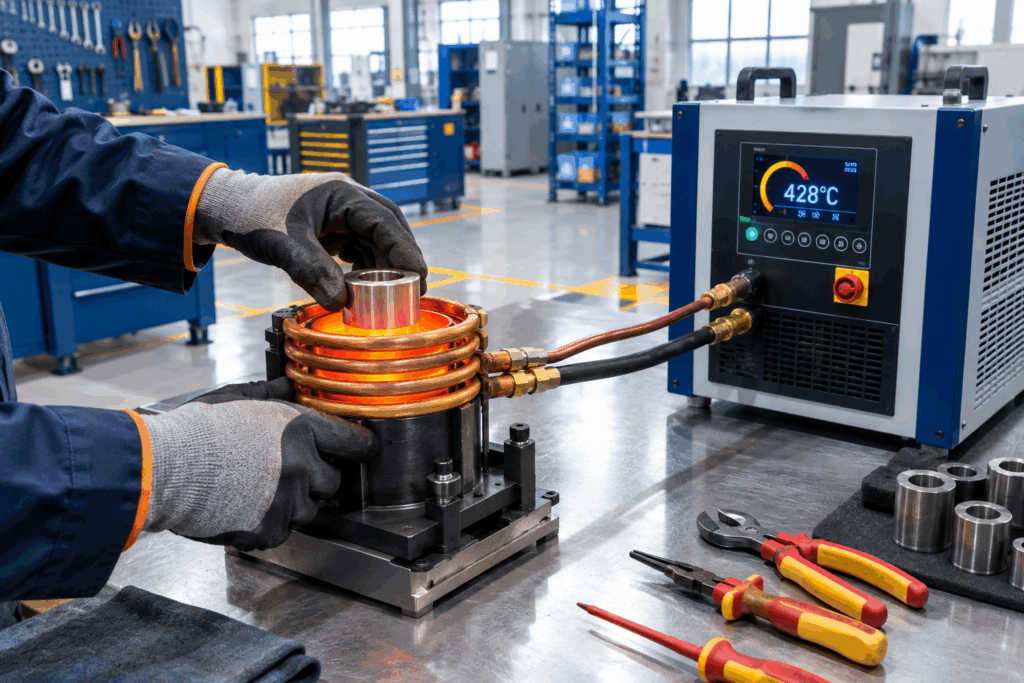
Bushings are essential components in mechanical systems, acting as a buffer to reduce friction and wear between moving parts. These components are often press-fitted into housings or shafts, requiring precise expansion during installation or removal.
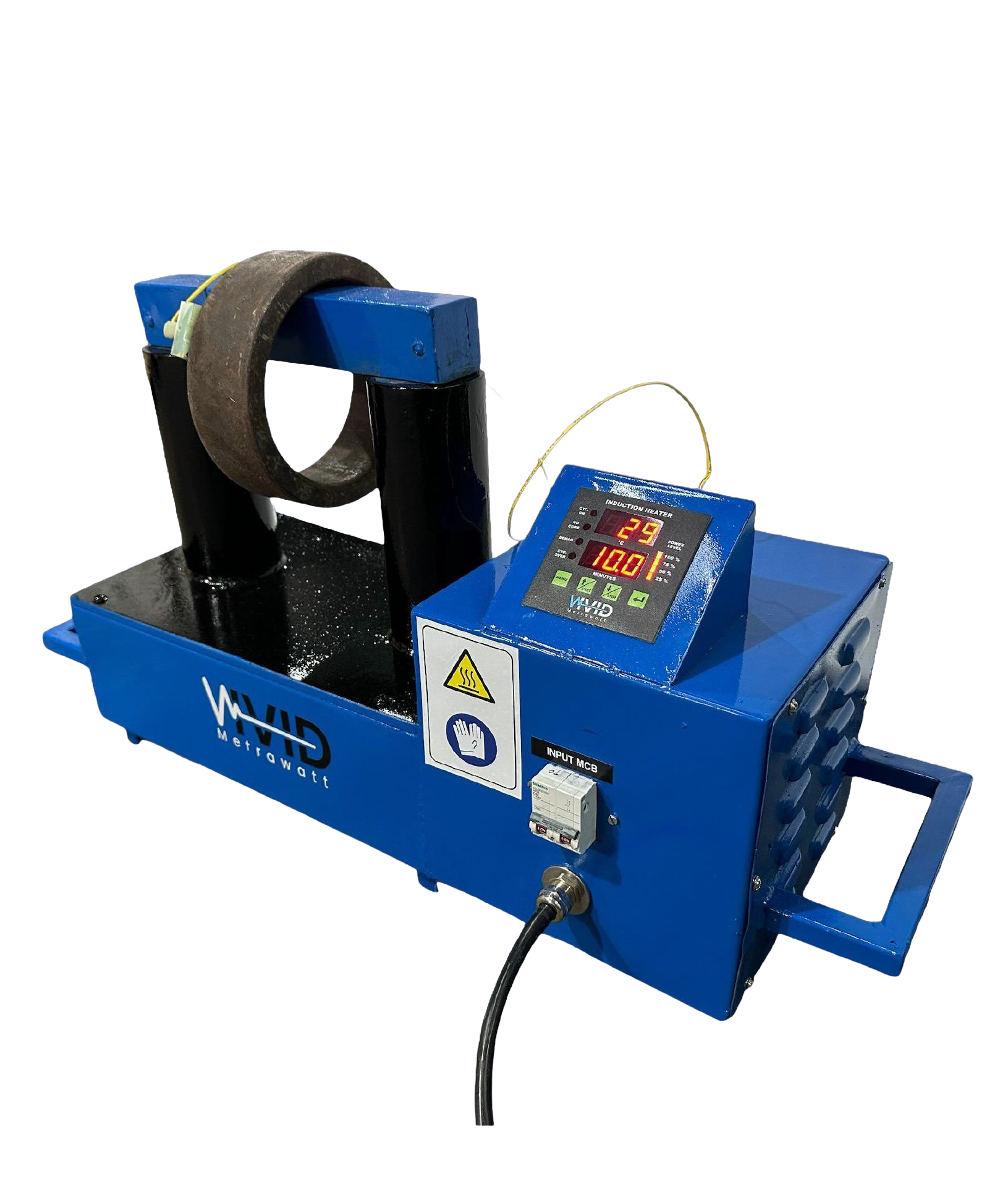
Heating bushings — for example with the 22kW induction heater — allows them to expand slightly, facilitating smooth and damage-free installation. Traditional heating methods like torches or ovens can compromise the material’s integrity and create uneven expansion. For a full breakdown of how the two methods compare on safety, cost, and precision, see Induction Heater vs Gas Torch: Which Is Better? — this is where induction heating becomes a game-changer.
Induction heating is a non-contact method that uses electromagnetic fields to generate heat within a conductive material. This process is widely used in industrial applications because of its precision, speed, and safety. For the underlying physics, see How Electromagnetic Induction Works.
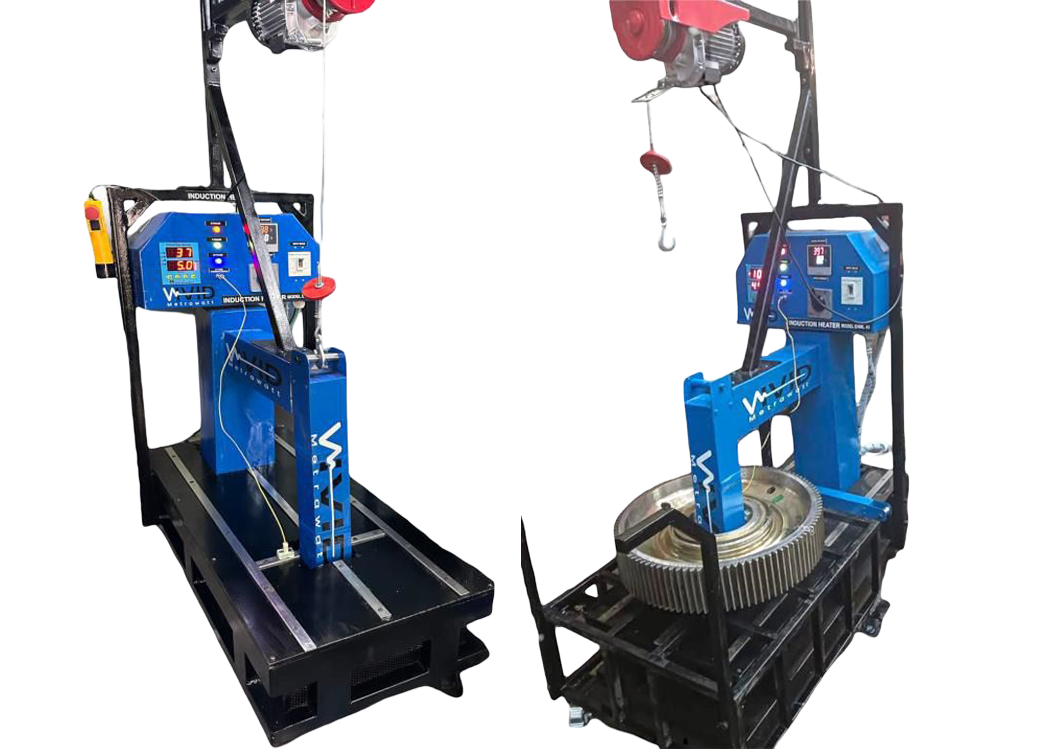
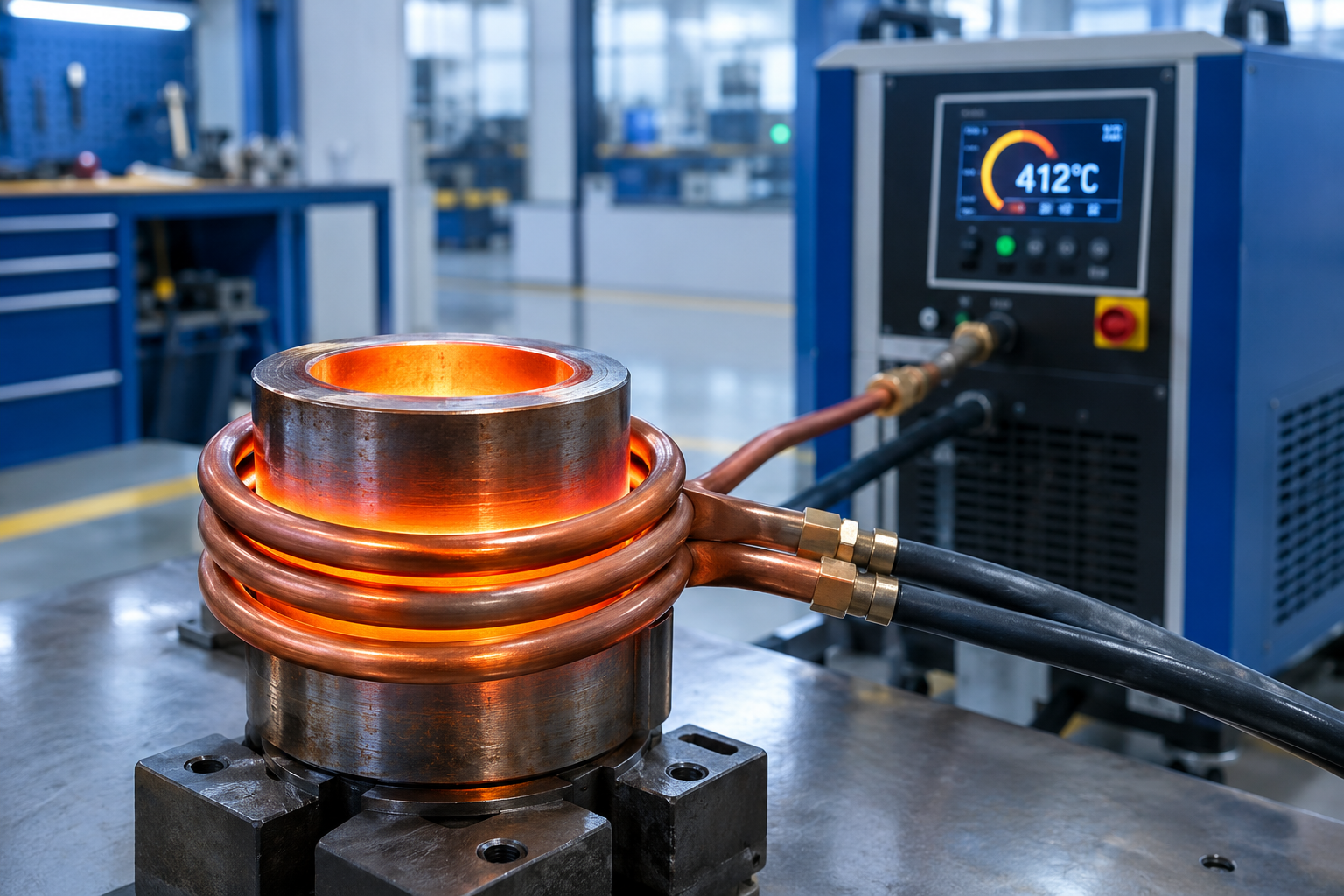
Unlike traditional methods that rely on surface heating, induction heating, as delivered by units like the EHML induction heater, penetrates directly into the material, ensuring even and controlled heat distribution. This makes it an ideal solution for heating bushings without damaging their structure or nearby components.
Key Features of Induction Heating:
Not every bushing heats the same way. Material choice affects how much a bushing expands for a given temperature rise, which directly determines how hot you need to go for a clean fit. <div class=”vm-qf”> <p class=”vm-qf-title”>📐 Approximate Linear Thermal Expansion by Material
| Material | Approx. expansion coefficient (α, ×10⁻⁶ per °C) | Typical heating notes |
|---|---|---|
| Steel | ~11–13 | Most common bushing material; demagnetise after heating |
| Cast iron | ~10–12 | Similar to steel; more brittle — inspect for cracks before heating |
| Bronze | ~17–18 | Expands faster than steel for the same ΔT — lower target temperature often sufficient |
| Brass | ~18–19 | Similar to bronze; softer material, heat conservatively |
| Aluminium | ~22–24 | Expands fastest; keep well under 150°C to avoid softening — see our aluminium induction heating guide |
Values above are approximate and vary by specific alloy — always confirm against the material datasheet for safety-critical or precision-fit applications.
Because bronze, brass, and aluminium expand faster per degree than steel, they often need a lower target temperature to achieve the same fit clearance — over-heating a bronze bushing “just to be sure” is a common way to introduce unnecessary thermal stress.
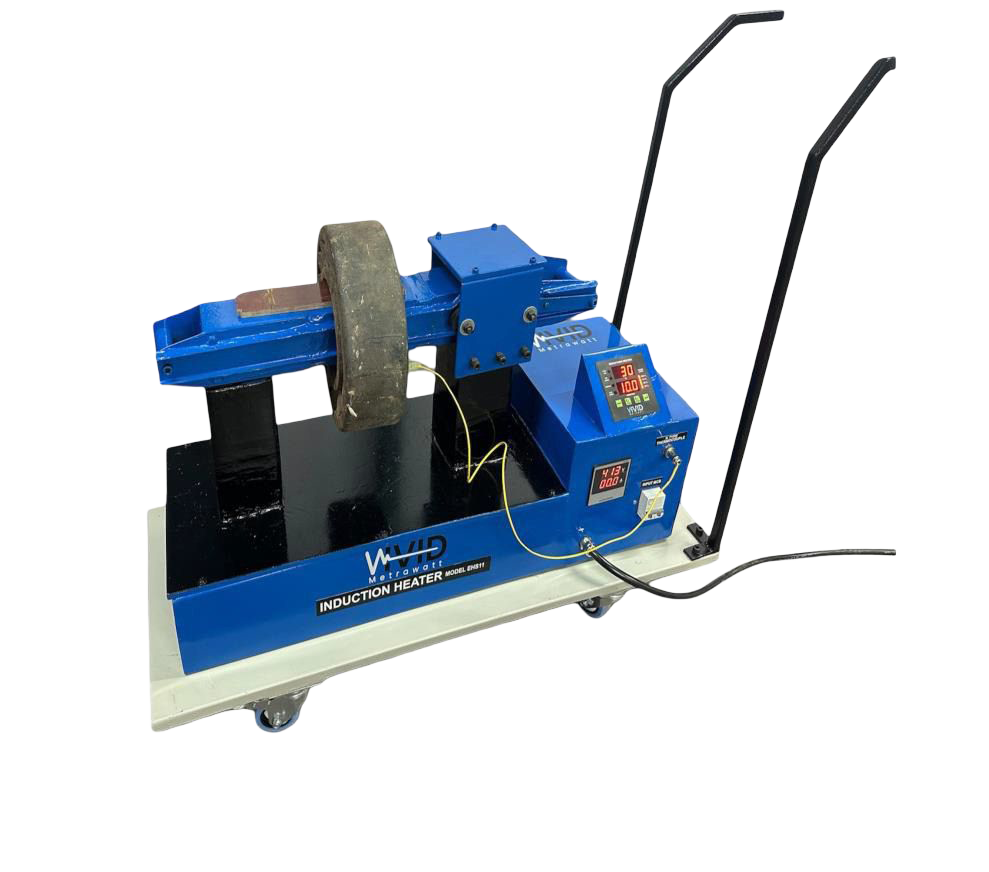
Heating bushings with induction heating is straightforward, even for those new to the process. The technology, such as the EHS/EHSU Vivid induction heater, ensures consistent results, making it the preferred choice for industries like automotive, manufacturing, and engineering.
Here’s why induction heating is superior for this task:
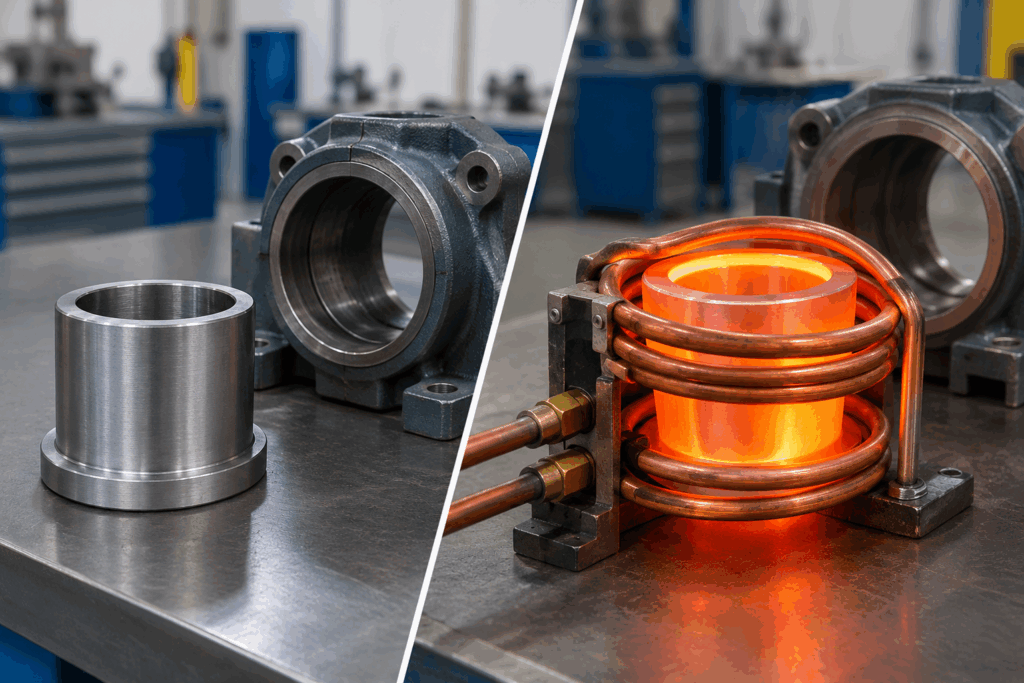
Two decisions determine whether a bushing heats evenly or develops hot spots: coil fit and power rating.
Coil sizing: as a starting rule, select a coil with an internal diameter 10–20% larger than the bushing’s outer diameter — the same principle that applies across induction heating applications generally. Too tight a gap concentrates flux and creates localized hot spots; too loose a gap wastes energy and slows the cycle. For a deeper look at how coil mismatch causes real-world damage, see Top Induction Heater Mistakes and How to Avoid Them.
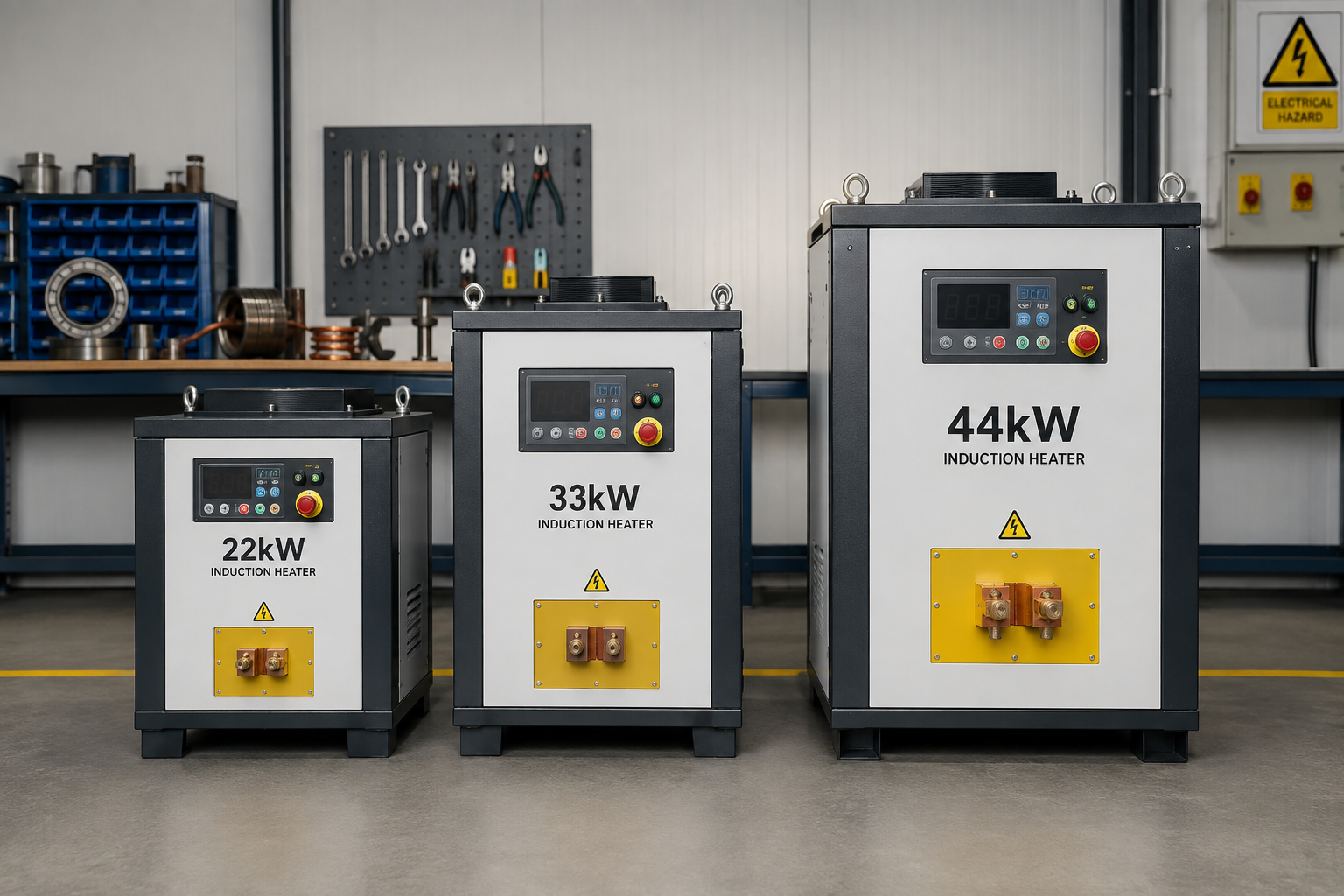
Power rating: smaller bushings often pair well with a compact unit like the EHS/EHSU induction heater 16kVA, while larger or higher-volume bushing work benefits from a 33kW induction heater or the 44kW induction heater for heavy-duty removal jobs. If you’re unsure which rating fits your typical bushing mass and target temperature rise, How to Choose the Right Induction Heater Power (kW) walks through the sizing formula.
Induction heating offers numerous advantages over traditional methods. Below are the key benefits that make it the safest and easiest way to heat bushings:
Follow these steps to heat bushings easily and safely using induction heating:
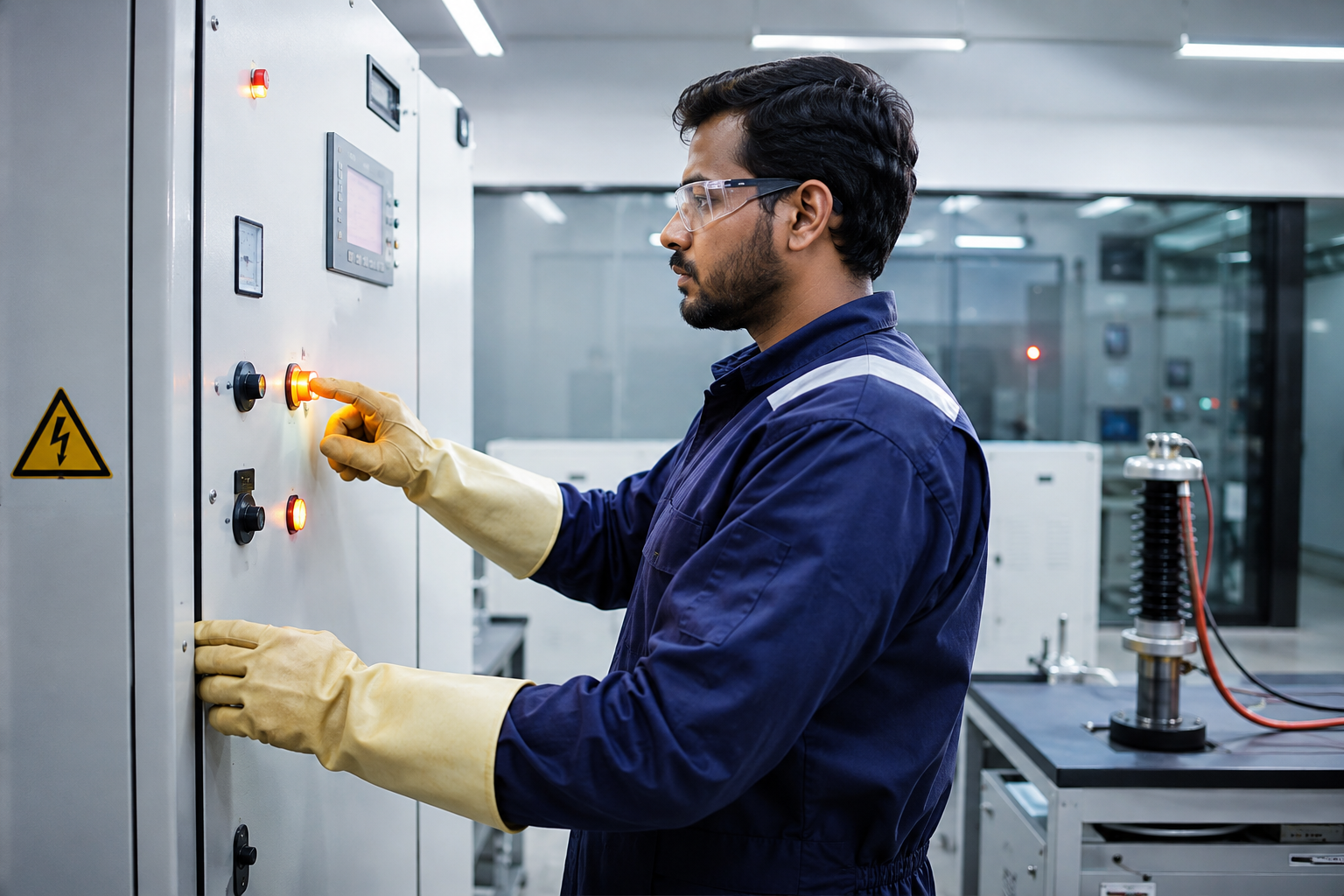
Pro Tip: Always wear protective gloves and eyewear when working with heated components.
Two safety steps are easy to skip on a routine bushing job — and both matter more than they seem:
✅ Key Takeaways
Induction heating is superior due to its precision, speed, and safety. It ensures even heating without damaging the material or surrounding parts, making it the most efficient method for heating bushings.
The required temperature depends on the material of the bushing. Most bushings are heated between 100°C and 300°C for optimal expansion, a range well within reach of higher-output units like the 33kW induction heater.
Yes, induction heating is safe for most conductive materials, including steel, aluminium, bronze, and brass. Always verify the material’s compatibility and expansion characteristics before setting a target temperature.
The process typically takes a few seconds to a couple of minutes, depending on the size and material of the bushing.
Absolutely! Induction heating, including with heavy-duty equipment like the 44kW induction heater, is an effective method for safely removing bushings by expanding them for easy extraction.
Yes, for steel and cast-iron bushings. Residual magnetism from the heating cycle attracts ferrous particles into the fit surface, accelerating wear over time. Non-ferrous bushings (bronze, brass, aluminium) don’t require this step.
The core process is the same, but bearings typically have tighter metallurgical temperature limits (commonly capped around 120°C for hardened bearing steel) to avoid tempering, whereas many bushing materials tolerate a wider 100–300°C range depending on alloy. If your workshop handles both, the same heater can typically serve either job with the right coil and temperature setting.
Induction heating is the ultimate solution for heating bushings easily and safely. Its precision, speed, and safety make it a preferred choice across industries.
By ensuring uniform heating and maintaining material integrity, this method simplifies the installation and removal process while reducing risks. For reliable induction heating solutions, trust Vivid Metrawatt — a leader in advanced industrial heating technology. With our state-of-the-art induction heaters, such as the EHS/EHSU Vivid induction heater and the 22kW induction heater, you can achieve optimal results in heating bushings and other components effortlessly.
From precision heating to safe installation and removal processes, Vivid Metrawatt Global provides advanced induction heating solutions for bushings designed to improve efficiency, safety, and performance in industrial applications.
Talk to Our ExpertsFast heating • Safe operation • Industrial-grade precision