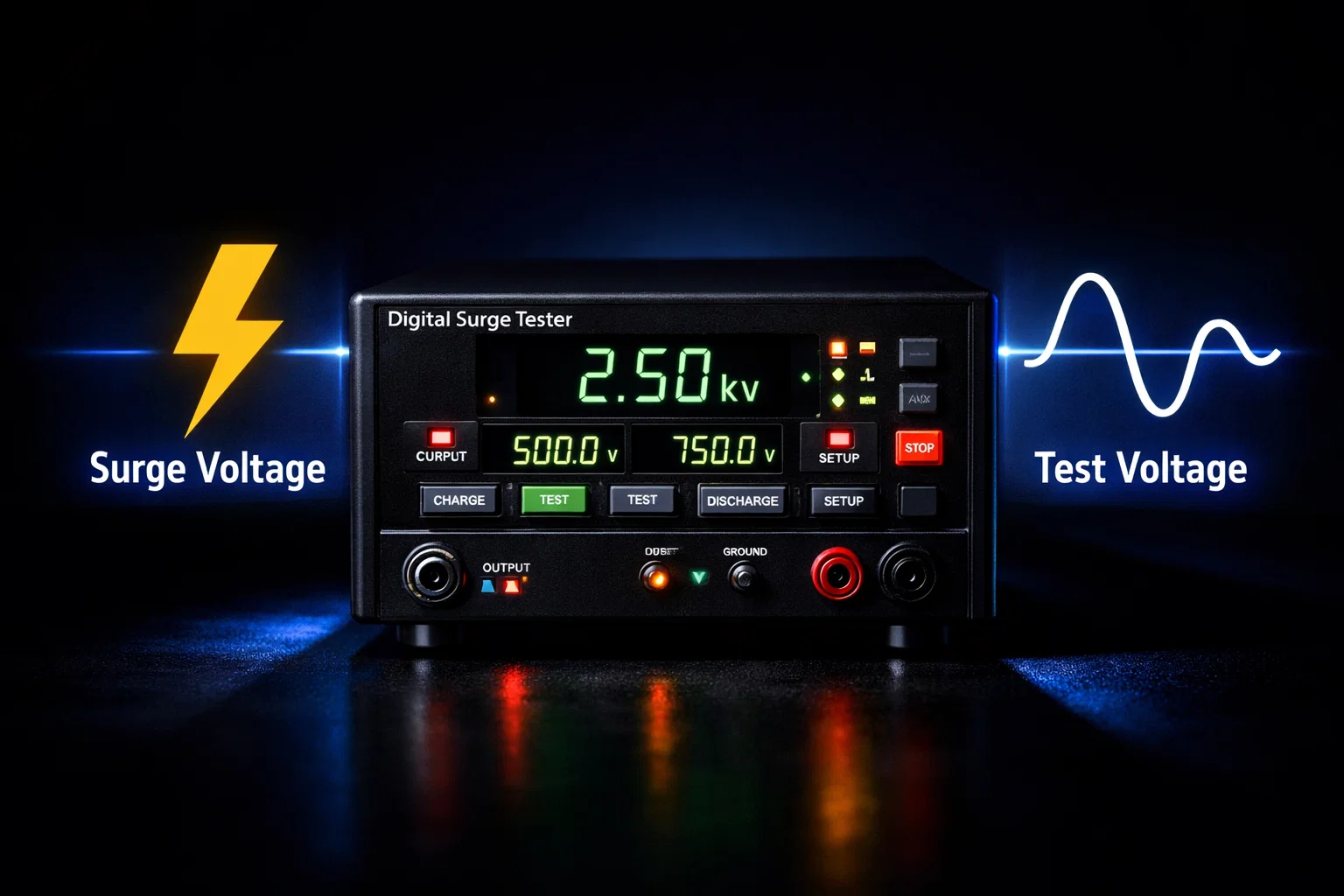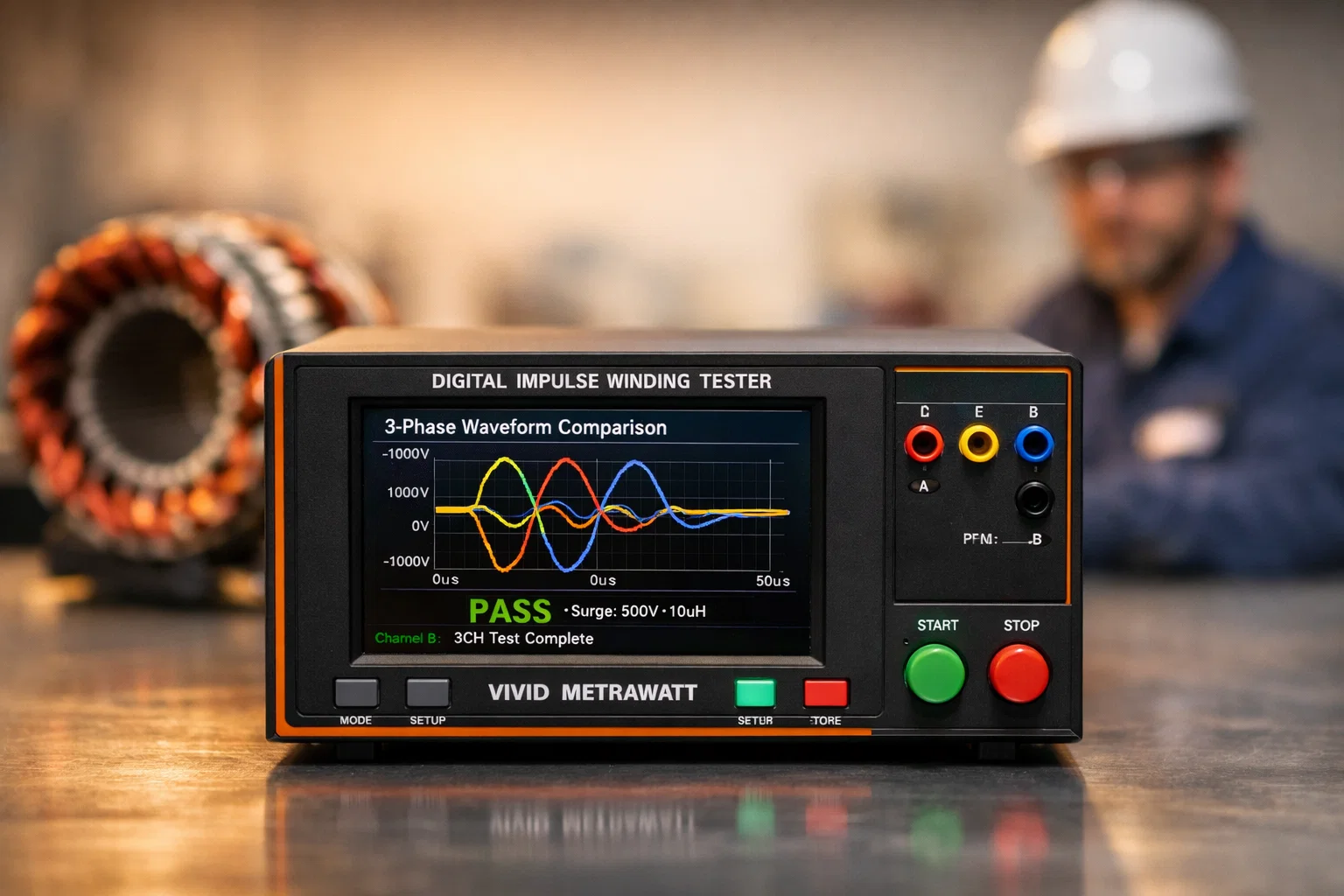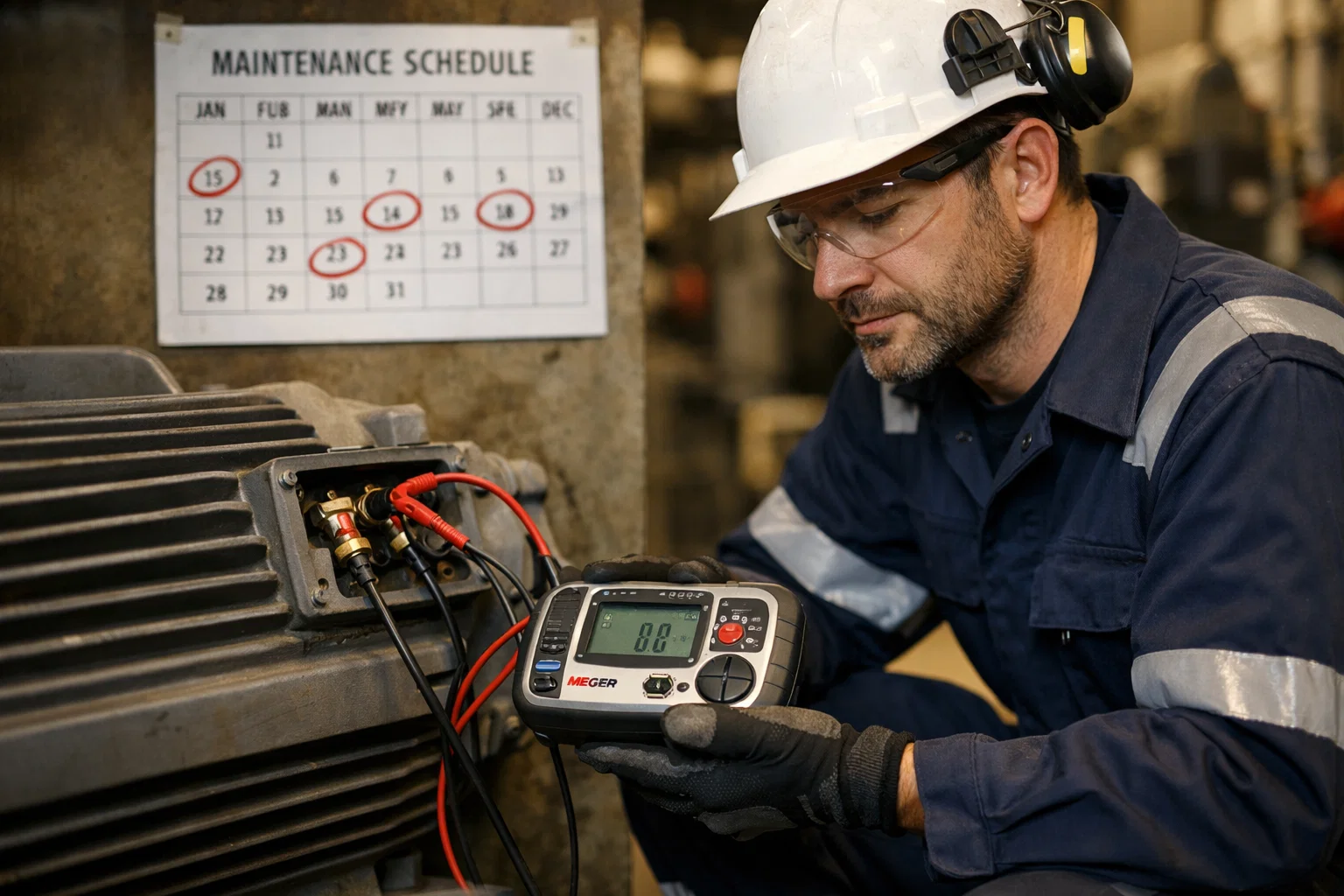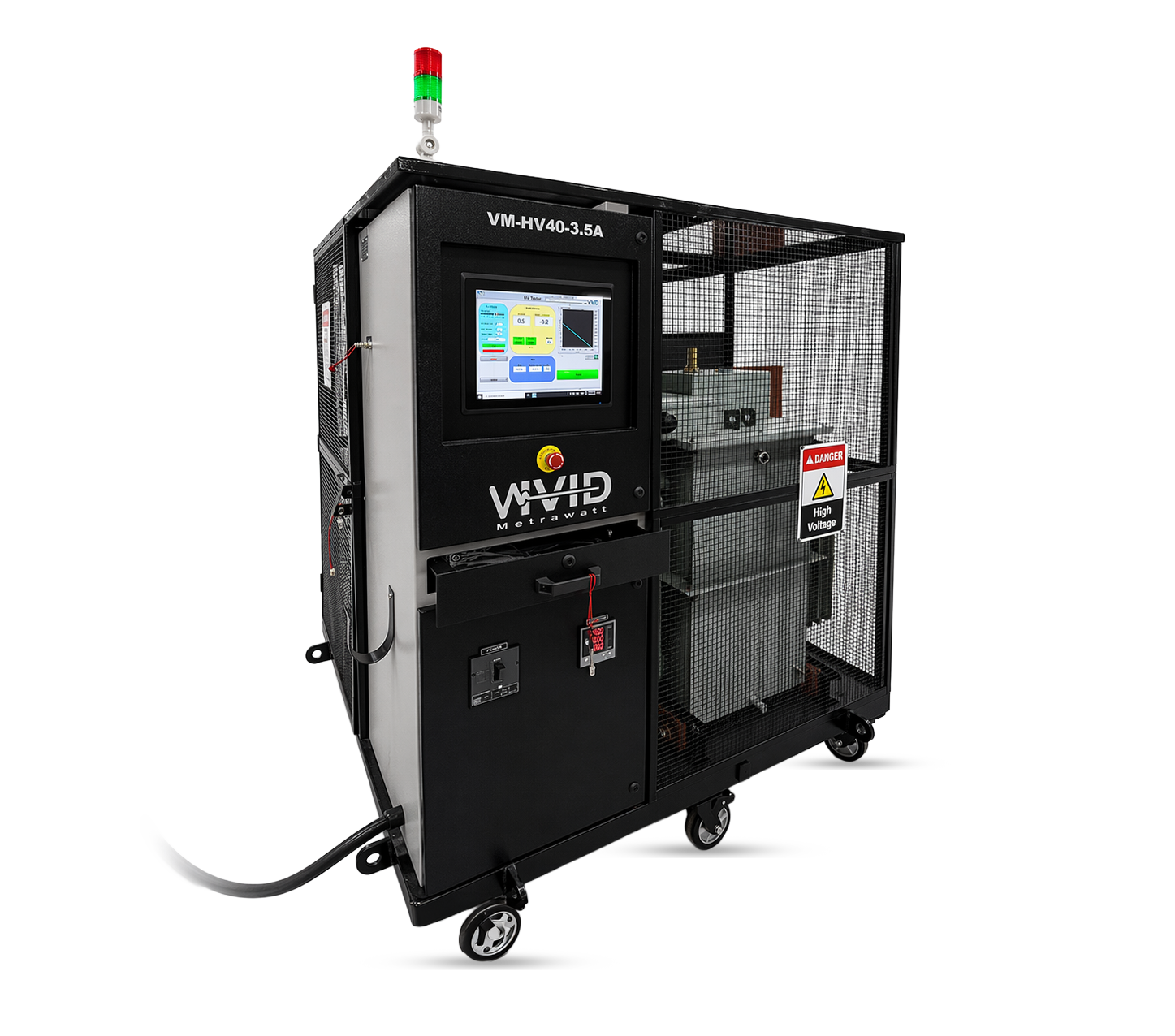

An Automatic High Voltage Tester is a computerized testing system used to perform high-voltage insulation and dielectric withstand tests on electrical equipment, components, cables, motors, transformers, and insulation systems. It helps ensure product safety, reliability, and compliance with quality standards.
The VM-HV Series is available in multiple voltage configurations including 0–15 kV, 0–20 kV, 0–30 kV, and 0–40 kV models, allowing users to select the most suitable testing range for their application.
These systems are widely used in motor manufacturing, transformer production, cable manufacturing, electrical equipment testing, research laboratories, quality control departments, and industrial production facilities.
Yes. The system includes built-in data logging and automatic report generation capabilities, enabling users to store test records and generate professional reports for quality assurance and documentation purposes.
The tester incorporates an integrated safety barricading system with interlocked protection mechanisms to ensure operator safety during high-voltage testing operations.
Yes. The output voltage can be adjusted according to testing requirements, providing accurate and repeatable performance across different applications.
The system is suitable for testing electric motors, stators, coils, transformers, cables, insulation systems, windings, and various electrical components requiring high-voltage testing.
Yes. The tester continuously displays voltage, current, and test status in real time through its software/HMI interface, allowing operators to monitor the testing process accurately.
A computerized high voltage tester improves testing accuracy, reduces manual errors, enables automatic data storage, generates reports instantly, enhances safety, and increases overall testing efficiency.
The ideal tester depends on the required test voltage, current capacity, application type, safety requirements, reporting features, and industry standards that must be met.