
Buying the wrong induction heater is an expensive mistake. Go too small and you’ll fight long heat-up times, bottlenecked production, and frustrated operators. Go too big and you’ve sunk capital and power-supply upgrades into capacity you’ll never use. Most buyers narrow it down to three practical options — a 22kw induction heater, a 33kw induction heater, or a 44kw induction heater — and then get stuck comparing specs sheets that all look the same. This guide breaks down exactly where each one earns its keep, so you can match output to your actual workpiece, not just a bigger number on a brochure.
The KW figure on an induction heater describes the maximum power the unit can deliver to its coil, which directly governs how fast it can raise a workpiece’s temperature. But KW alone doesn’t tell the whole story. Frequency, coil geometry, and duty cycle all interact with power output to determine real-world heating speed — something we cover in detail in our guide on induction heating coil design.
In practice:
If you’re still deciding between induction heating and older methods altogether, our article on induction heating vs resistance heating and induction heater vs gas torch industrial heating lays out why induction wins on speed, safety, and energy cost for most industrial jobs.
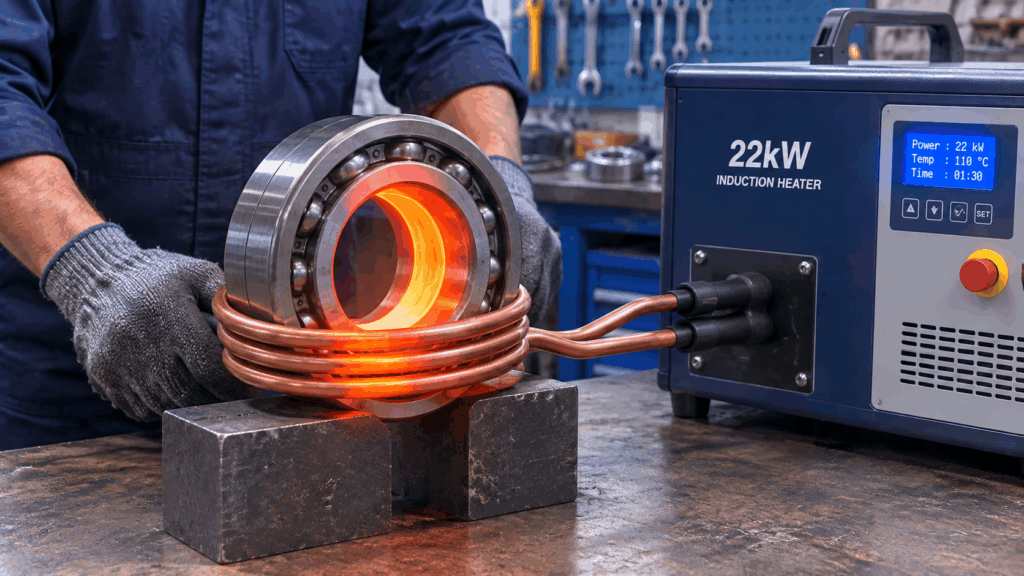
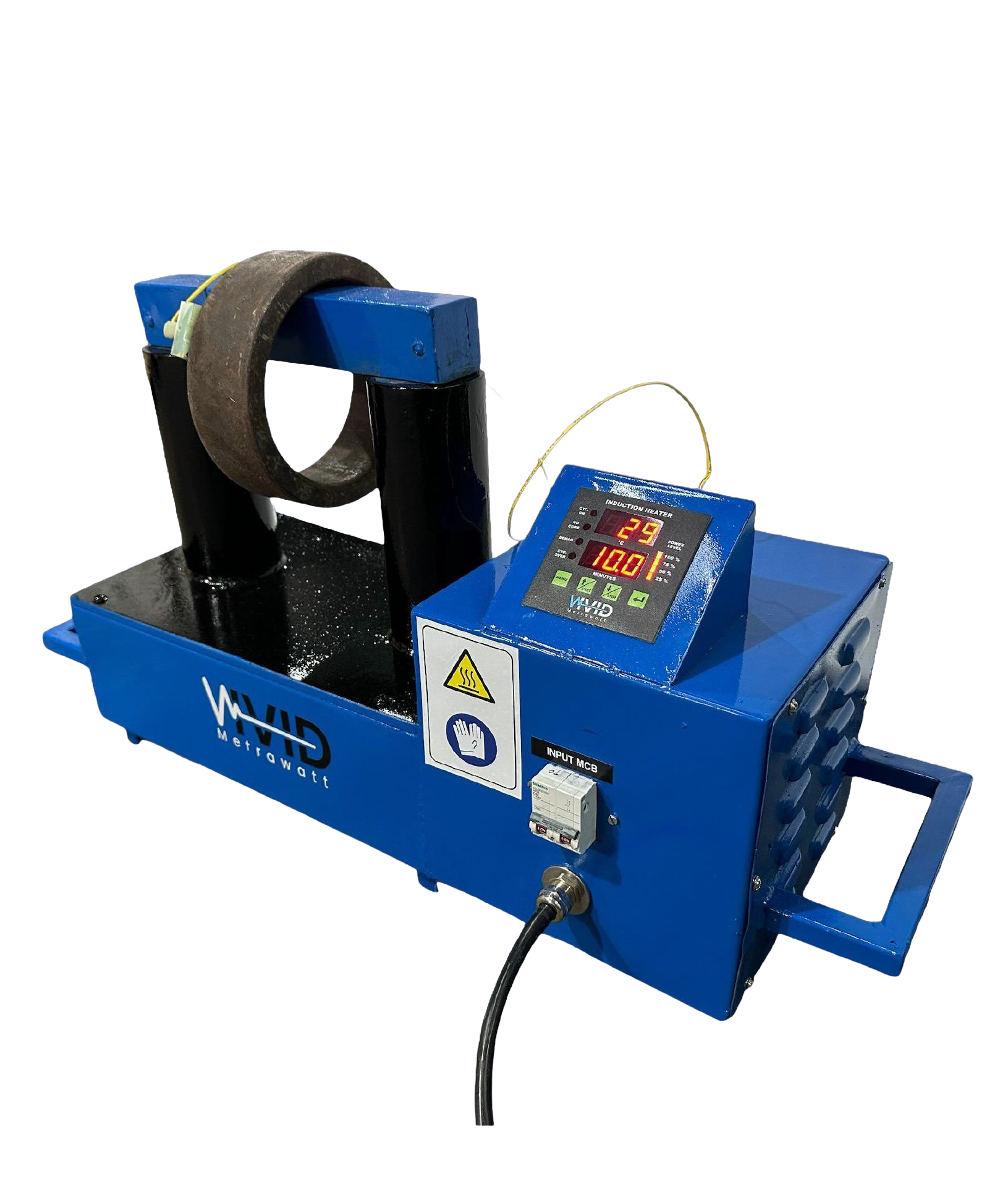
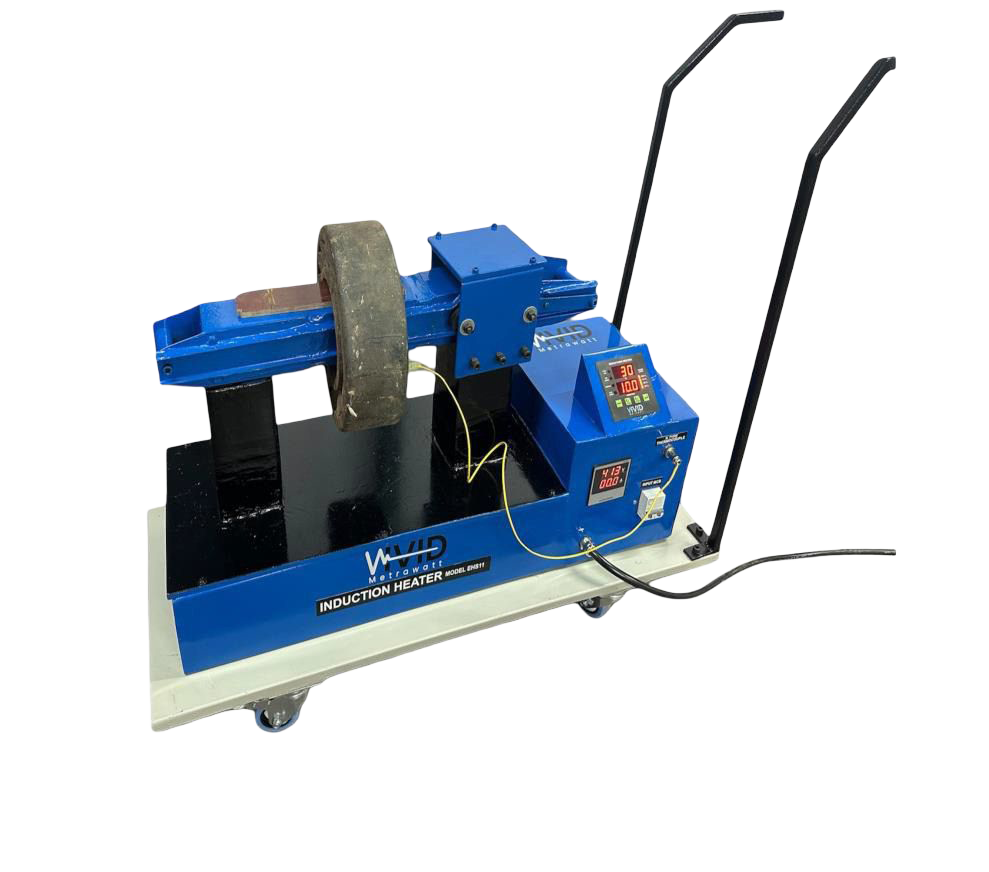
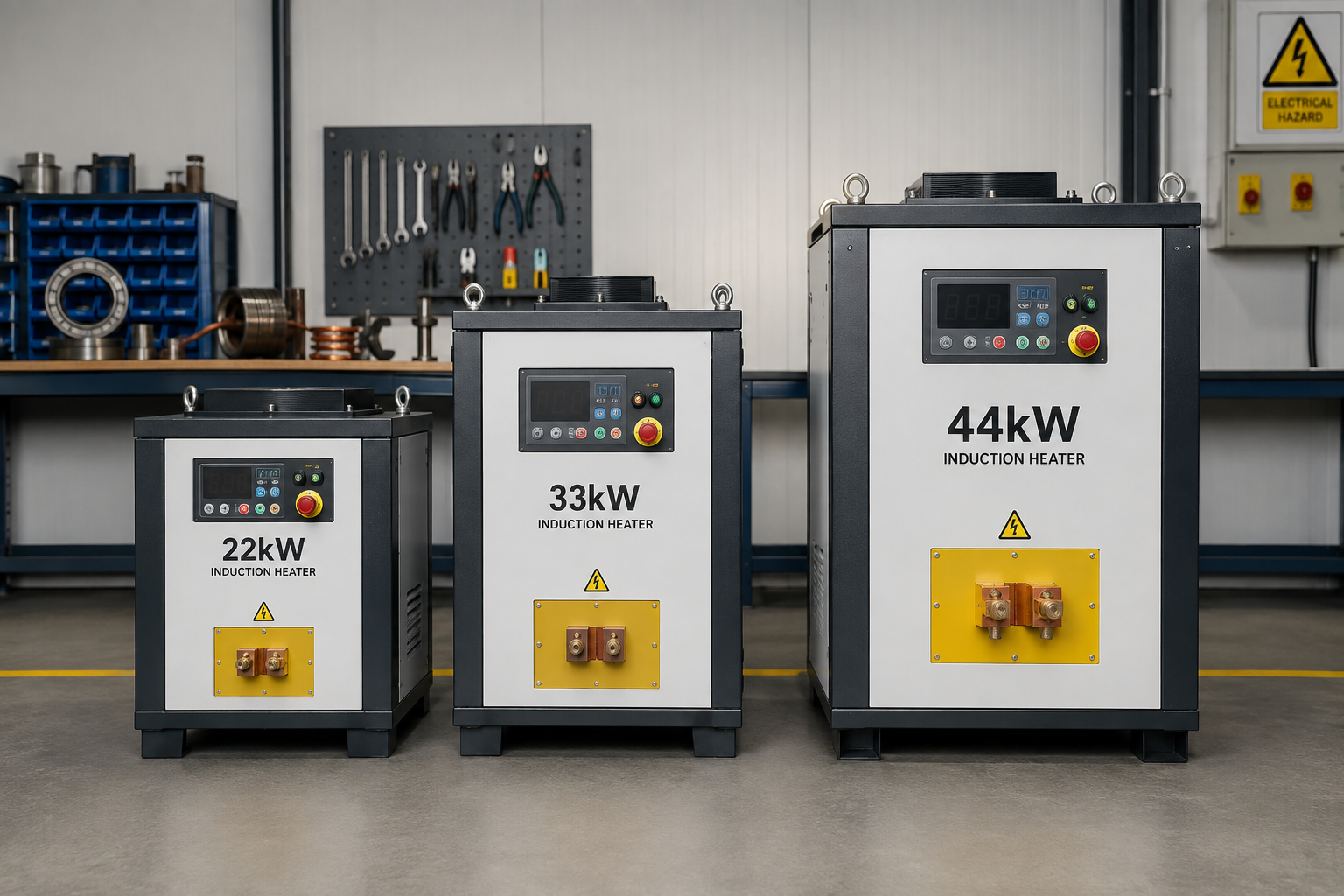
The 22kw induction heater is the workhorse of small-to-mid workshops. It’s sized for:
Why buyers pick it: lower upfront investment, smaller footprint, and enough headroom for 80–90% of routine bearing and small-part jobs. If your daily workload is mostly bearings, our how to choose the right bearing induction heater post goes deeper into sizing this class correctly.
Where it falls short: large rotors, thick-walled bushings, or back-to-back production heating where recovery time between cycles becomes a bottleneck.
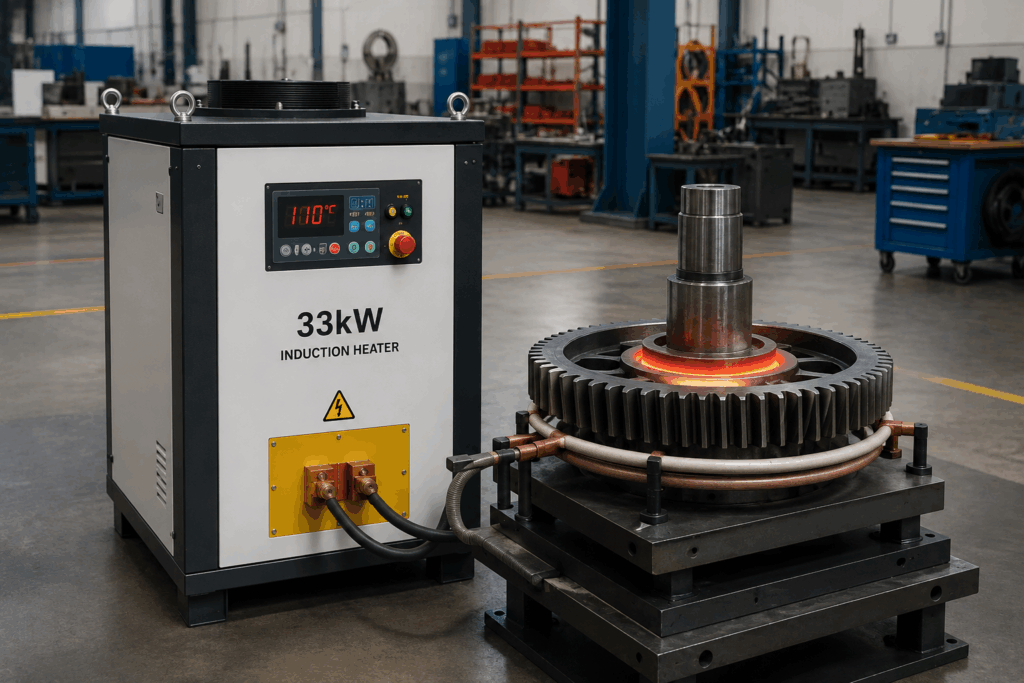
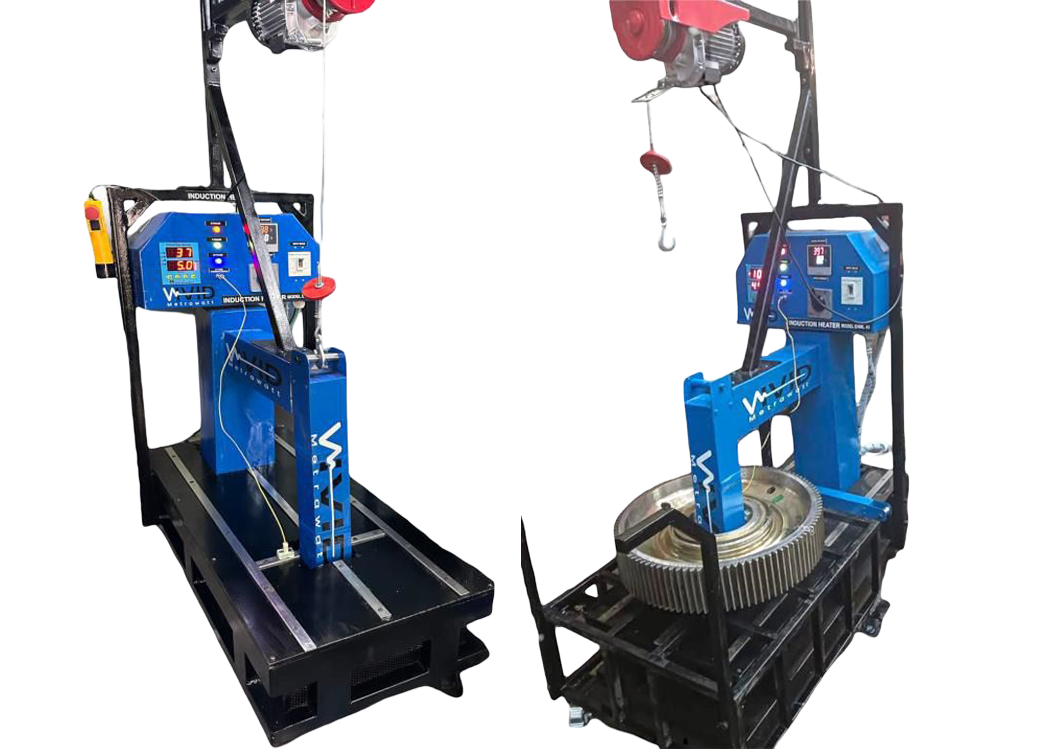
The 33kw induction heater sits in the sweet spot most mid-size manufacturers land on. It handles the same jobs as the 22KW class but with meaningfully faster cycle times and enough reserve capacity for:
Why buyers pick it: it’s the rare “grow into it” purchase — enough capacity to cover today’s jobs and next year’s larger parts, without the power infrastructure demands of the 44KW class.
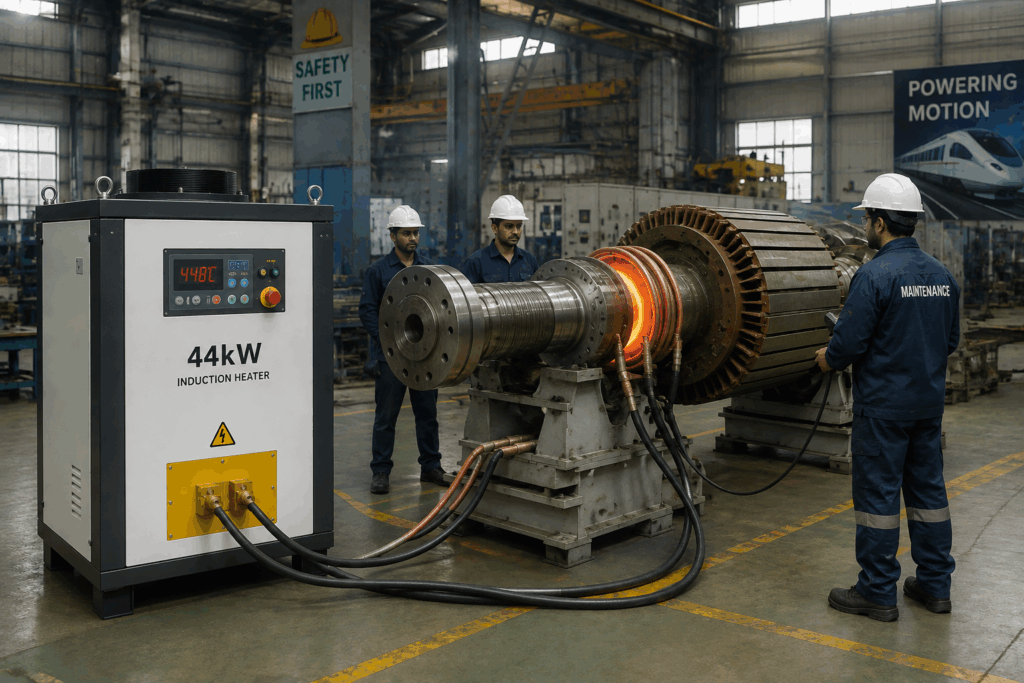
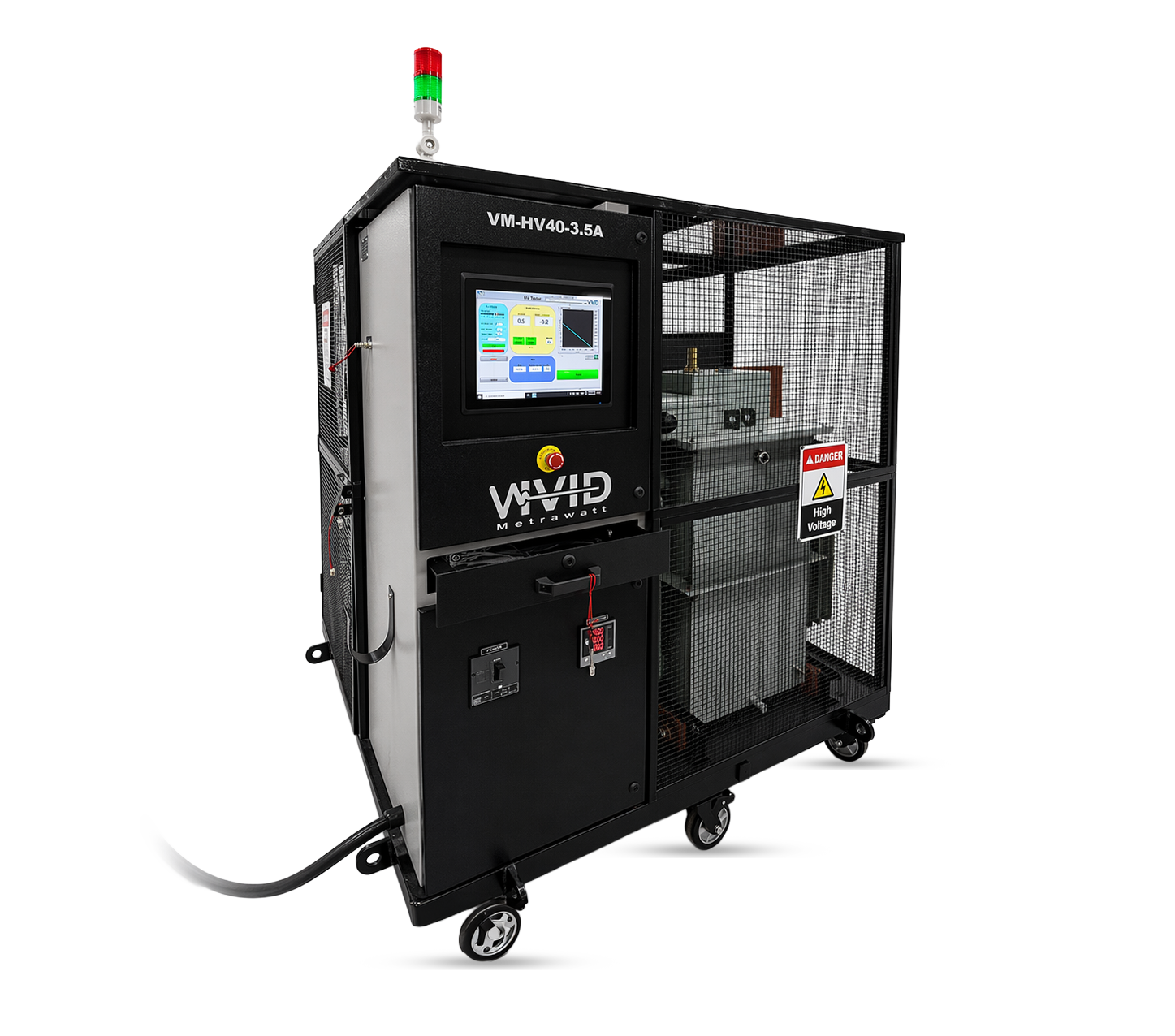
The 44kw induction heater is built for heavy industrial and continuous-duty environments:
Why buyers pick it: raw throughput. When downtime costs more than electricity, the 44KW class pays for itself in cycle-time savings alone. It does demand a stronger power supply and a dedicated safety review — our safety features induction heater guide is required reading before installation.
| Parameter | 22KW Induction Heater | 33KW Induction Heater | 44KW Induction Heater |
|---|---|---|---|
| Ideal workpiece | Bearings, small shafts | Gears, bushings, mid-size shafts | Large rotors, heavy bushings, railway parts |
| Typical shop type | Small workshop / maintenance bay | Mid-size manufacturer | Heavy industrial / continuous production |
| Cycle speed | Moderate | Fast | Fastest |
| Power supply need | Standard 3-phase | Upgraded 3-phase | Dedicated industrial supply |
| Duty cycle tolerance | Occasional single jobs | Multiple jobs per shift | Continuous / back-to-back |
| Upfront investment | Lowest | Mid-range | Highest |
| Best fit for | Bearing installation, small MRO | Automotive & industrial components | Rail, power generation, large-scale heat treatment |
Still unsure which bracket fits? Our general how to choose induction heater guide and the full induction heater product range are good next stops, alongside our bearing induction heaters line for bearing-specific use cases.
Usually, yes. Unless you’re running continuous heavy parts, a 22KW or 33KW unit will heat faster on a cost-per-cycle basis because it’s matched to your actual load.
If your parts mix is growing toward mid-size components within the next 12–18 months, buying the 33KW unit now is usually cheaper than replacing a 22KW unit early.
Not necessarily. A correctly sized heater often uses less total energy per part because it completes the cycle faster, reducing heat-loss time.
For most bearing sizes, the 22KW class is sufficient — see our EHS/EHSU Vivid induction heater range built specifically for this.
There’s no single “best” induction heater between the 22KW, 33KW, and 44KW classes — only the one that’s best matched to your workpiece, throughput, and power infrastructure. Small workshops and bearing-focused maintenance teams get the fastest ROI from the 22KW unit. Mid-size manufacturers running gears, bushings, and automotive components typically settle on the 33KW class for its balance of speed and investment. Heavy industrial operations, railways, and continuous production lines are where the 44KW heater earns its cost through raw throughput. Whichever bracket you land in, get your application reviewed by someone who’s sized hundreds of these systems before you commit capital.
Talk to Vivid Metrawatt’s engineering team — we’ll size the right KW class for your exact workpiece and production volume, free of cost.
Get a Free Sizing Consultation →