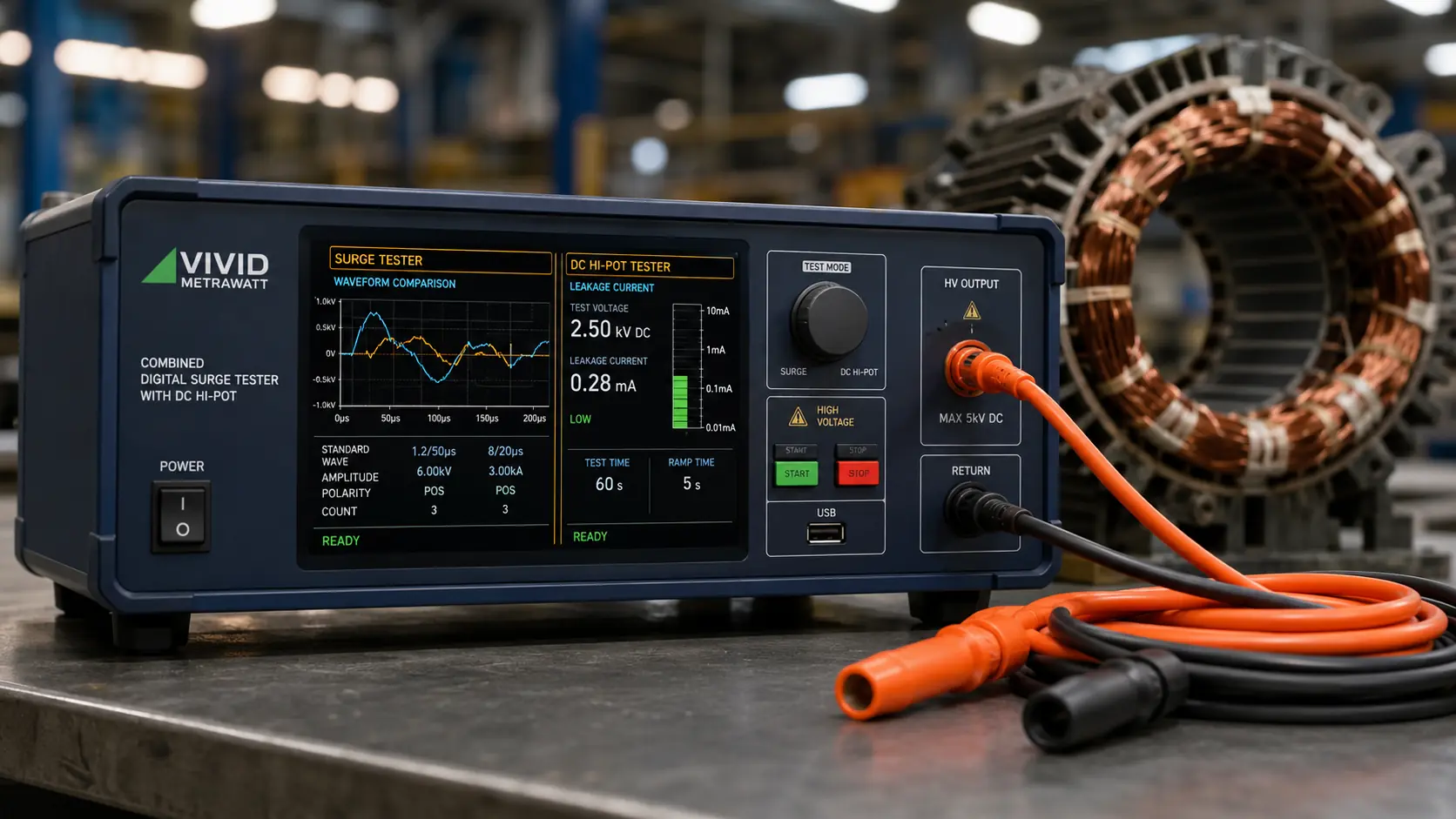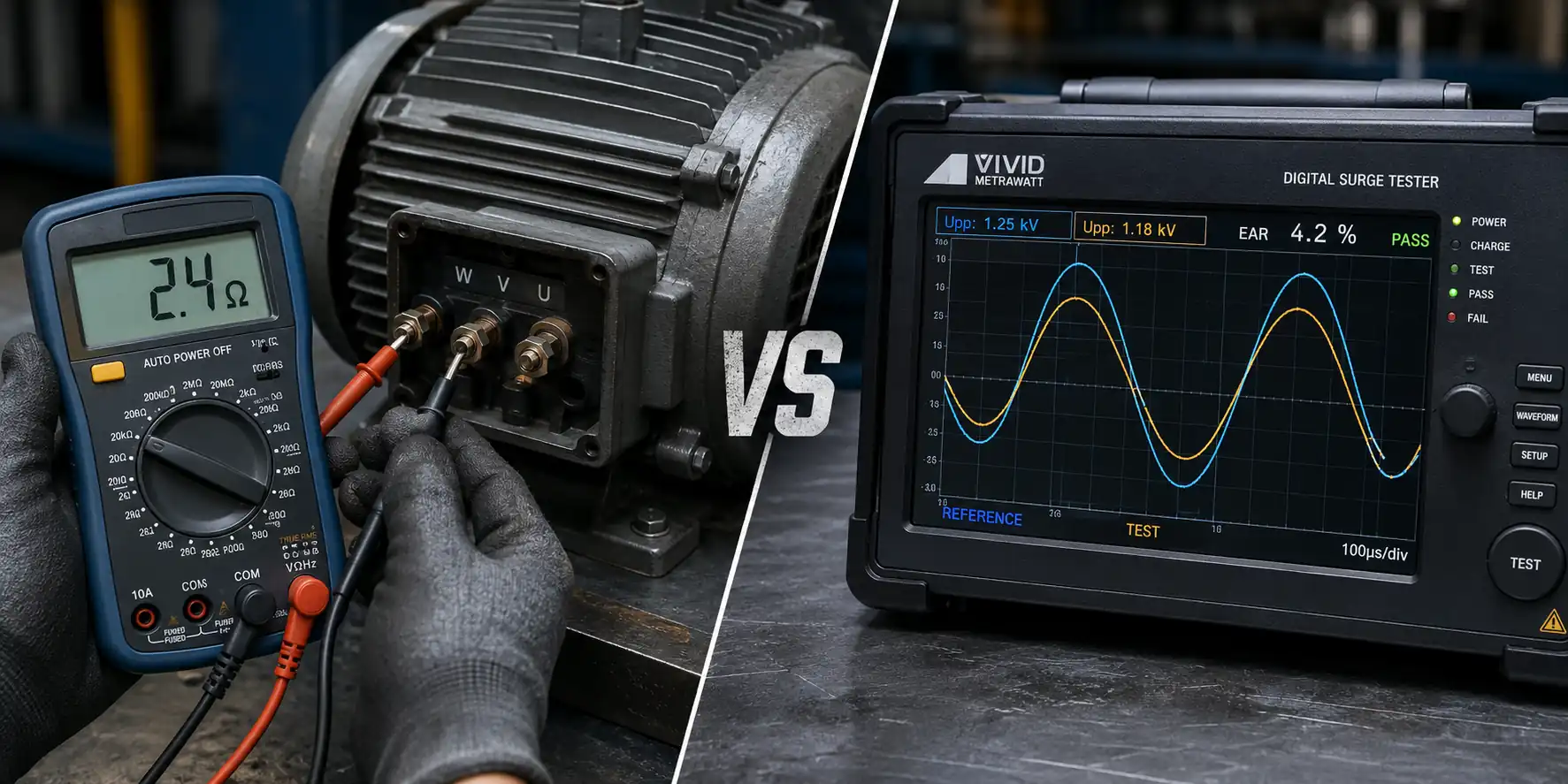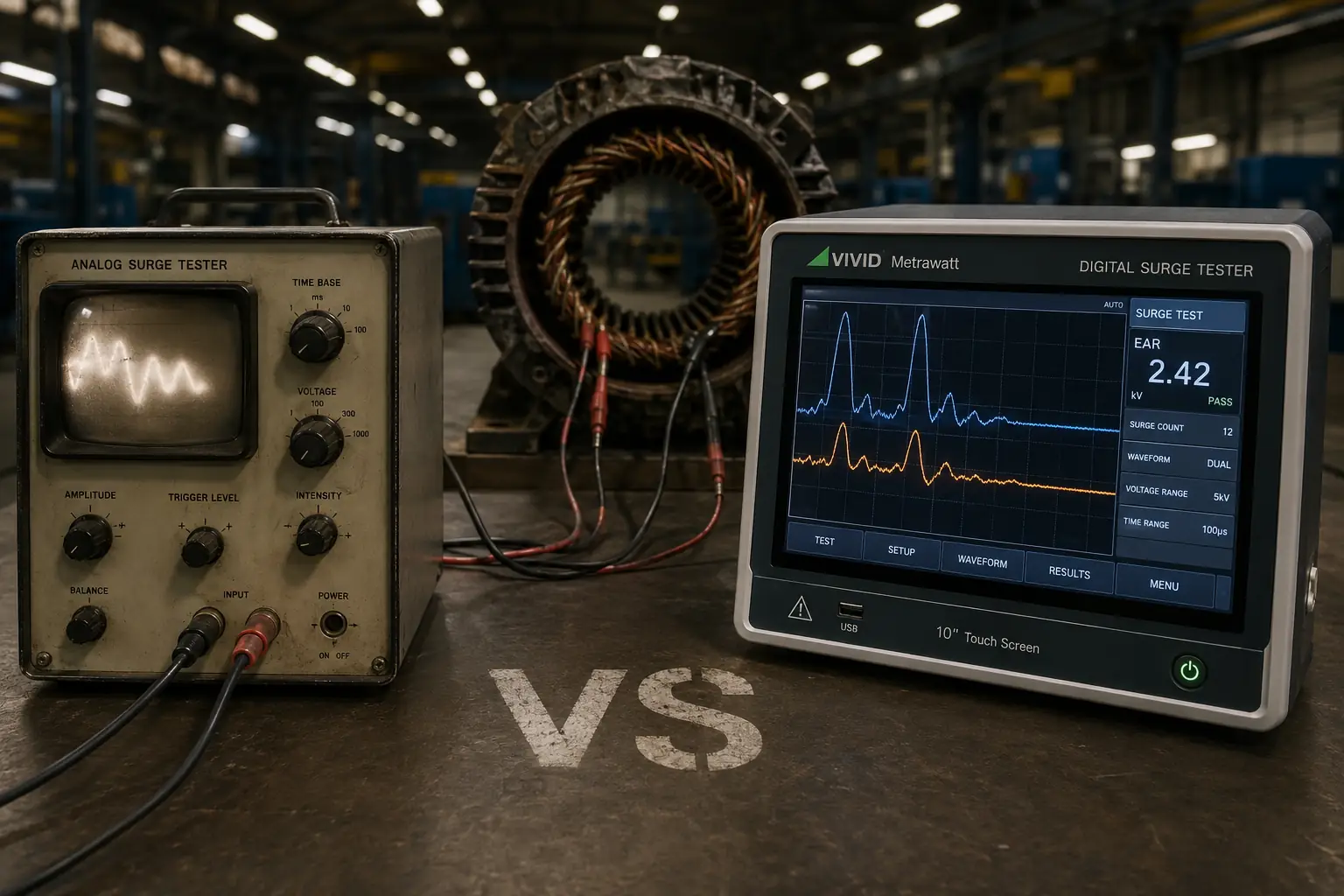

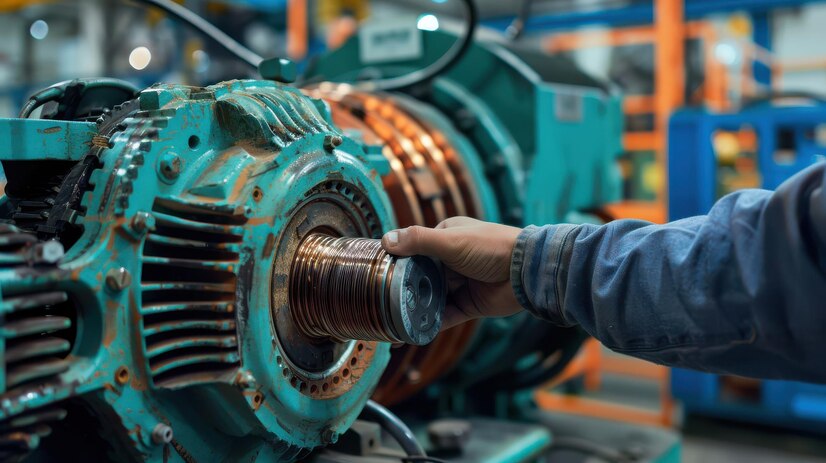
The heart of a single-phase motor lies in its windings. These are copper wires coiled in such a way that they create a magnetic field when electricity passes through them. This magnetic field is what drives the motor to rotate, powering the machines we rely on daily. If something goes wrong with the windings, the motor can struggle or stop working altogether. Dedicated instruments such as the 1kV digital armature surge tester and the 3kV digital armature surge tester are designed specifically to evaluate winding condition.
Before diving into testing, it’s important to recognize the signs that your motor’s windings may need attention:
When any of these symptoms arise, it’s time to test the windings to determine if they’re causing the issue.
To properly test the windings, you’ll need some basic tools:
Having these tools at hand will make the testing process easier and safer.
Before you start, always ensure that the motor is disconnected from the power source. Testing a live motor can be dangerous, so double-check that the motor is completely isolated from any electrical supply.
After completing the tests, you’ll have a clearer idea of the state of your motor windings:
Testing the windings helps you determine whether the motor can be repaired or if replacement is the better option. If the motor is old and has multiple issues like ground faults and high resistance, replacing it might be more cost-effective. But if the problem is isolated to a single winding and the rest of the motor is in good condition, rewinding or repairing the motor — verified afterward with a tester such as the 6kV LCD surge tester — could extend its lifespan.
Taking the time to test the windings on a single-phase motor ensures you catch problems early. It might seem like a technical task, but once you have the right tools — including a reliable instrument like the VM5K/VM6K digital surge tester — and follow the steps, it becomes much more manageable. Testing can save you from bigger failures down the road, whether you’re maintaining equipment in your workshop or troubleshooting a household appliance. Keep your motors running smoothly and avoid costly replacements by learning to test and care for the windings yourself.
Accurate motor winding testing requires precision instruments and the right diagnostic approach.
Vivid Metrawatt Global provides advanced
motor testing solutions
to help detect winding faults, insulation failures, and performance issues in single-phase motors with confidence.
If you need support selecting the right testing equipment or interpreting results, our engineering team is ready to assist you.