
Feeling overwhelmed by motor issues? You’re not alone. Let’s walk through how to test motor windings together, ensuring your equipment runs smoothly and your mind is at ease.
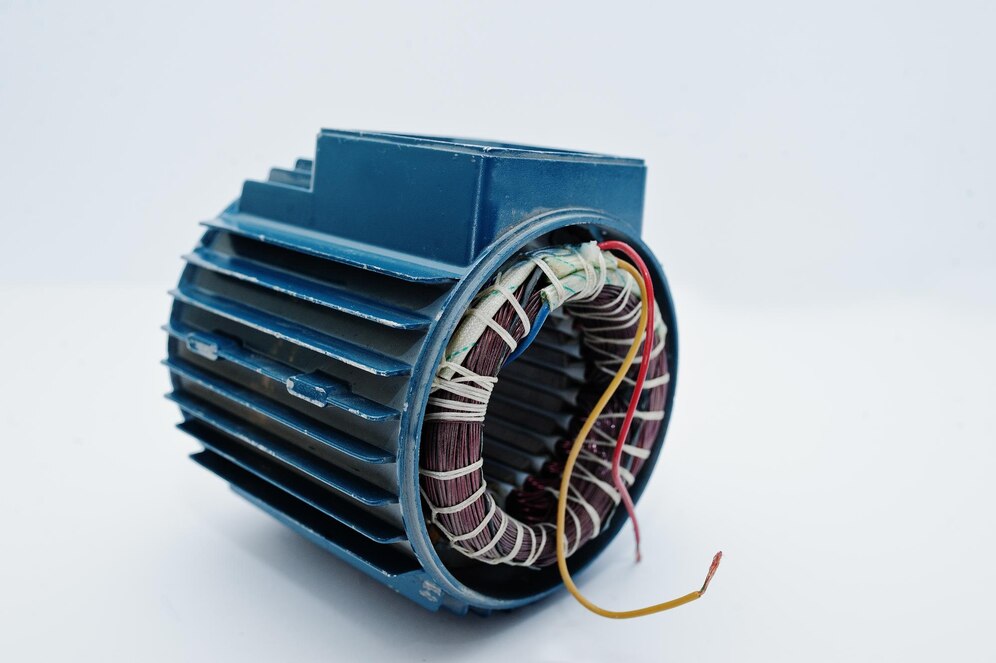
Electric motors are more than just mechanical devices; they’re the backbone of modern industry and daily life. From the appliances in our homes to the machinery in factories, motors play a pivotal role. At the heart of these motors are the windings—coils of wire meticulously arranged to create magnetic fields when electricity flows through them.
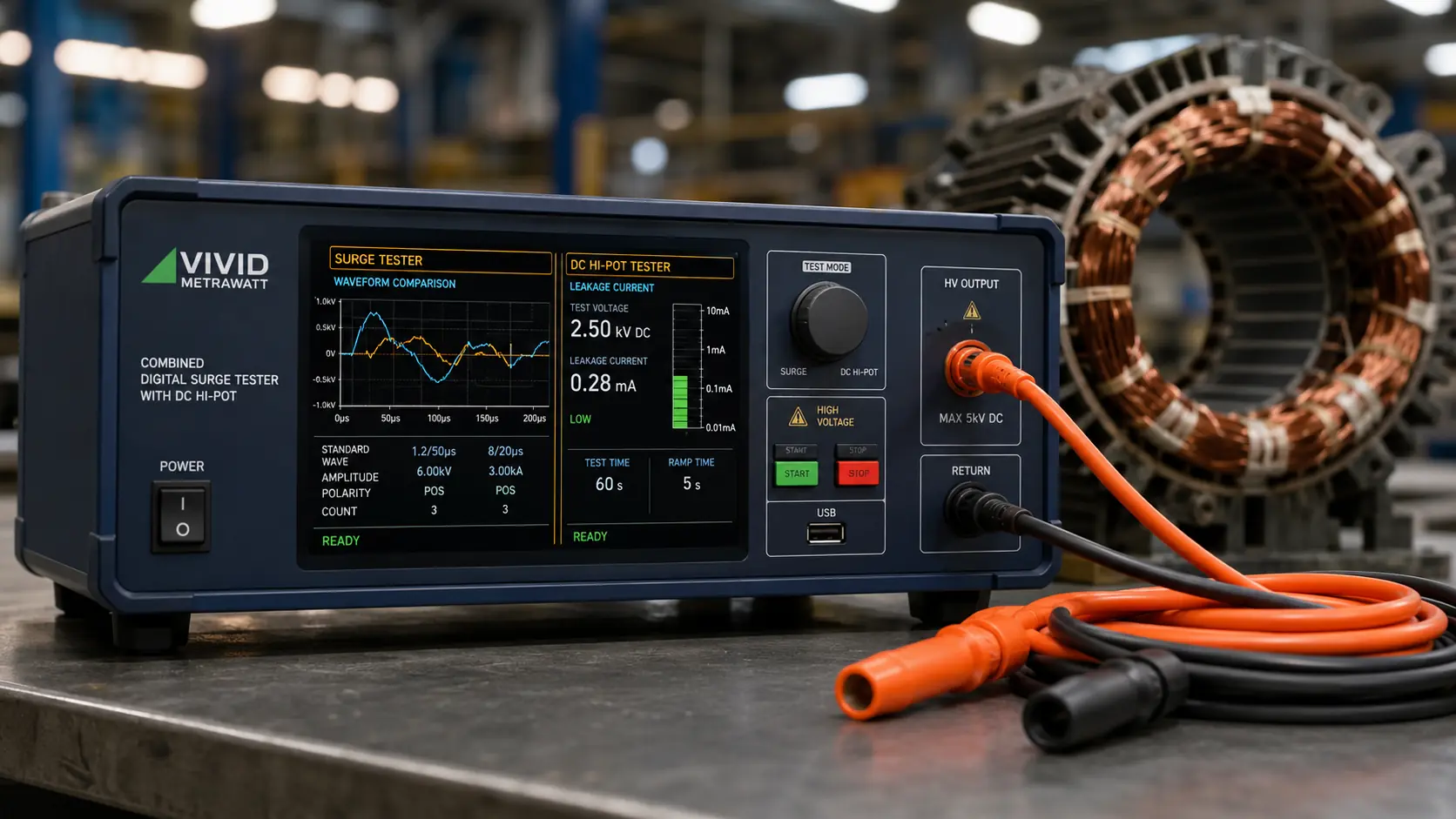
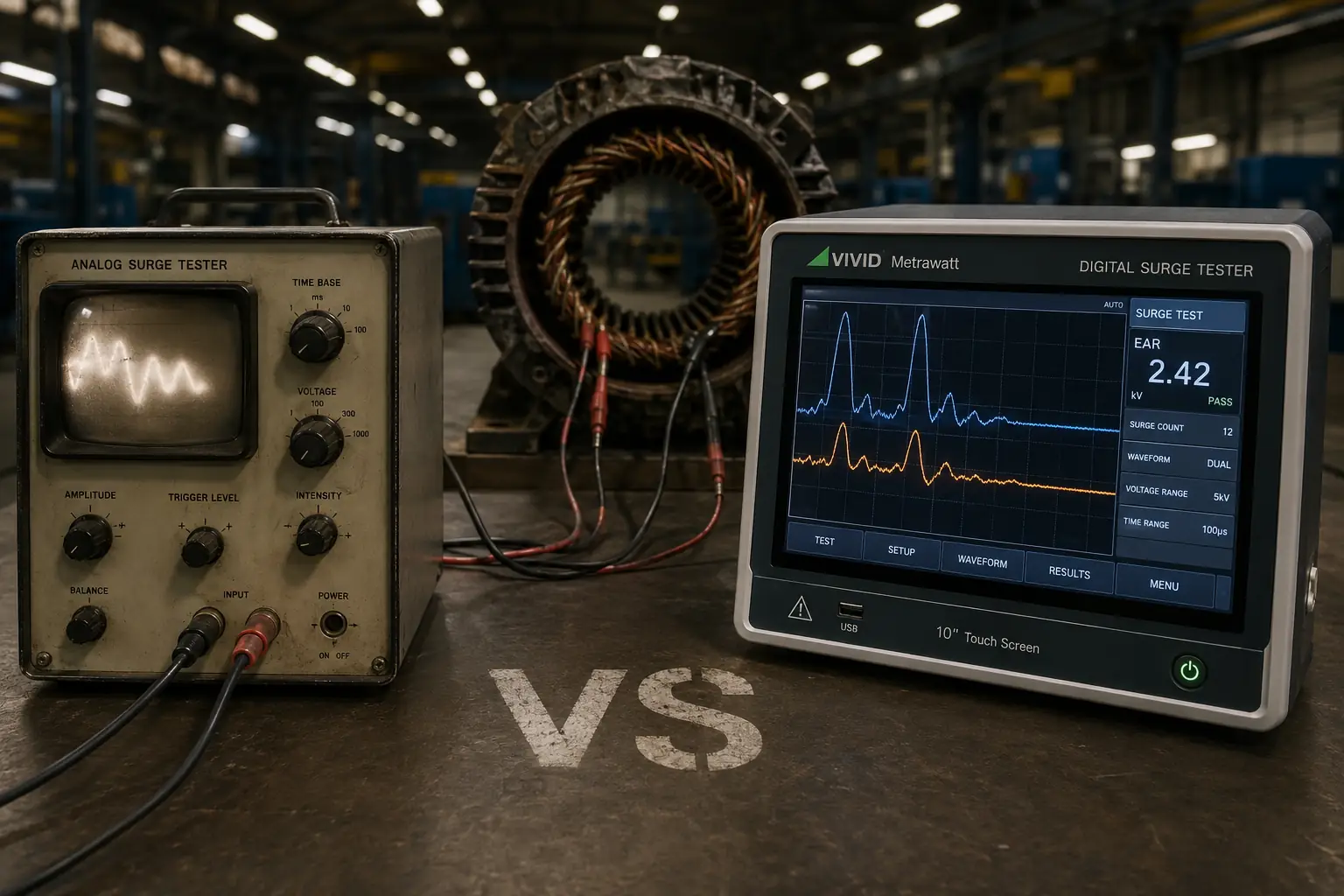
Motor windings are made of insulated copper or aluminum wire and are integral to the motor’s function. When electrical current passes through these windings, it generates a magnetic field, which interacts with the motor’s magnetic core to produce motion. This simple yet ingenious principle powers countless devices, making our lives more convenient and efficient. Instruments such as the 1kV digital armature surge tester and the 3kV digital armature surge tester are built specifically to evaluate the health of these windings.
But like any essential component, windings are subject to wear and tear. Over time, factors like heat, vibration, moisture, and electrical overload can degrade the insulation or cause the wire to break. That’s why understanding motor windings isn’t just for engineers; it’s for anyone who relies on motors in their daily life.
Imagine the frustration of a critical machine breaking down in the middle of a busy day. The production halts, deadlines are missed, and stress levels skyrocket. Often, such breakdowns are preventable with regular maintenance and testing.
Testing motor windings is like a health check-up for your motor. It helps you:
By learning how to test motor windings, you’re taking control, minimizing unexpected downtime, and ensuring that your operations run smoothly.
Before diving into the technical aspects, it’s essential to recognize when testing is necessary. Here are some common signs that your motor windings may need attention:
Noticing these signs early allows you to act promptly, preventing more significant issues down the line.
Embarking on this journey requires the right tools. Here’s a list of equipment to help you perform motor winding tests effectively:
Having these tools on hand not only makes the process smoother but also ensures accurate and reliable results.
Your safety is non-negotiable. Working with electrical equipment carries inherent risks, but following proper safety protocols minimizes them significantly.
By prioritizing safety, you protect not only yourself but also those around you.
Now that we’re prepared, let’s delve into the practical steps of testing motor windings.
The first and often most revealing step is a thorough visual examination.
Taking the time to observe can uncover issues that might not require further testing.
A continuity test verifies that the windings are intact and not broken.
This simple test can quickly identify open circuits within the windings.
Assessing the insulation’s integrity is vital to prevent electrical leakage.
Regular insulation testing helps prevent unexpected failures and enhances safety.
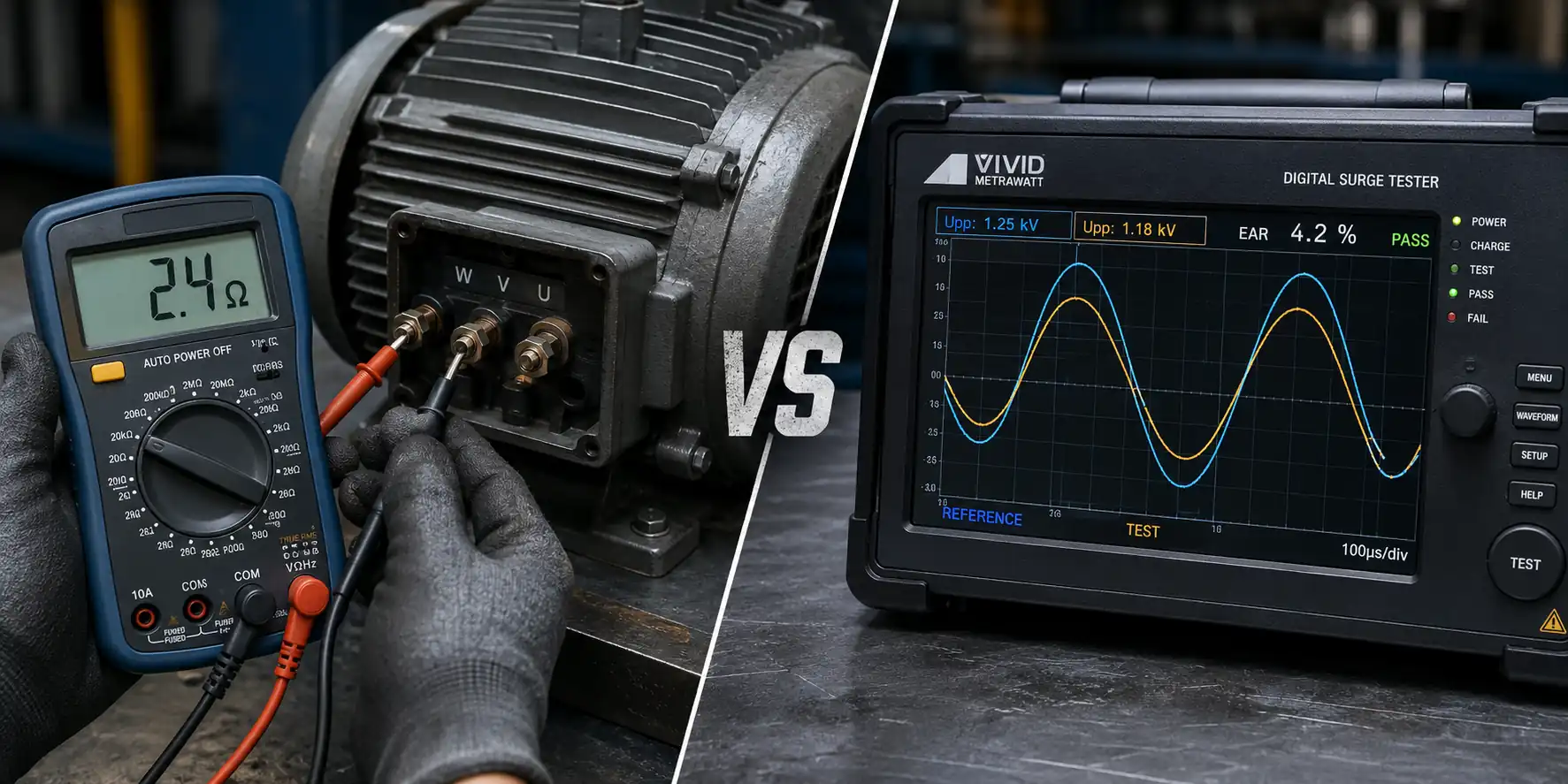
Measuring the resistance ensures that all windings are balanced and functioning correctly.
Significant discrepancies may indicate shorted turns or other internal faults.
This test checks the winding’s ability to withstand high voltages without breaking down.
The High-Pot test is more advanced and may not be necessary for routine checks but provides valuable insights into insulation quality.
Understanding the data you’ve collected is crucial for making informed decisions.
If the tests reveal problems, consider the severity and decide on repair or replacement.
Let’s explore some typical problems uncovered during testing and how to address them.
Cause: Overloading, poor ventilation, or high ambient temperatures. Solution: Reduce the load, improve cooling systems, and ensure proper ventilation.
Cause: Operating in damp environments or exposure to water. Solution: Dry the motor thoroughly, possibly using gentle heat, and improve sealing or environmental controls.
Cause: Aging, electrical stress, or physical damage. Solution: Rewind the motor or replace it if the damage is extensive.
Cause: Manufacturing defects or deterioration over time. Solution: Consult a professional for possible rewinding or balancing.
Cause: Vibration, misalignment, or bearing failure. Solution: Address mechanical issues promptly, replace worn parts, and ensure proper alignment.
By understanding these common issues, you can take proactive steps to maintain your motor’s health.
Preventive maintenance is the key to longevity and reliability.
A little effort in maintenance goes a long way in preventing costly breakdowns.
Sometimes, despite our best efforts, issues arise that require expert intervention.
Remember, reaching out for help isn’t a sign of defeat but a step towards ensuring the best outcome.
Embarking on the journey to learn how to test motor windings empowers you to take control of your equipment’s health. It’s about more than just technical know-how; it’s about peace of mind, knowing that you’re doing everything possible to prevent disruptions and maintain efficiency. With the right instrument on hand — whether that’s a VM5K/VM6K digital surge tester or another model suited to your motor’s voltage range — you’ll have what you need to test with confidence.
By following this comprehensive guide, you’ve equipped yourself with the knowledge to perform essential tests, interpret results, and take appropriate action. Whether it’s a simple fix or recognizing when to call in a professional, you’re now better prepared to handle motor winding issues.
We understand that dealing with electrical equipment can be daunting, but remember, you’re not alone. We’re here to support you, answer your questions, and provide guidance whenever you need it.
Accurate motor winding diagnostics require the right tools, techniques, and expertise.
Vivid Metrawatt Global provides advanced testing solutions including
surge testers,
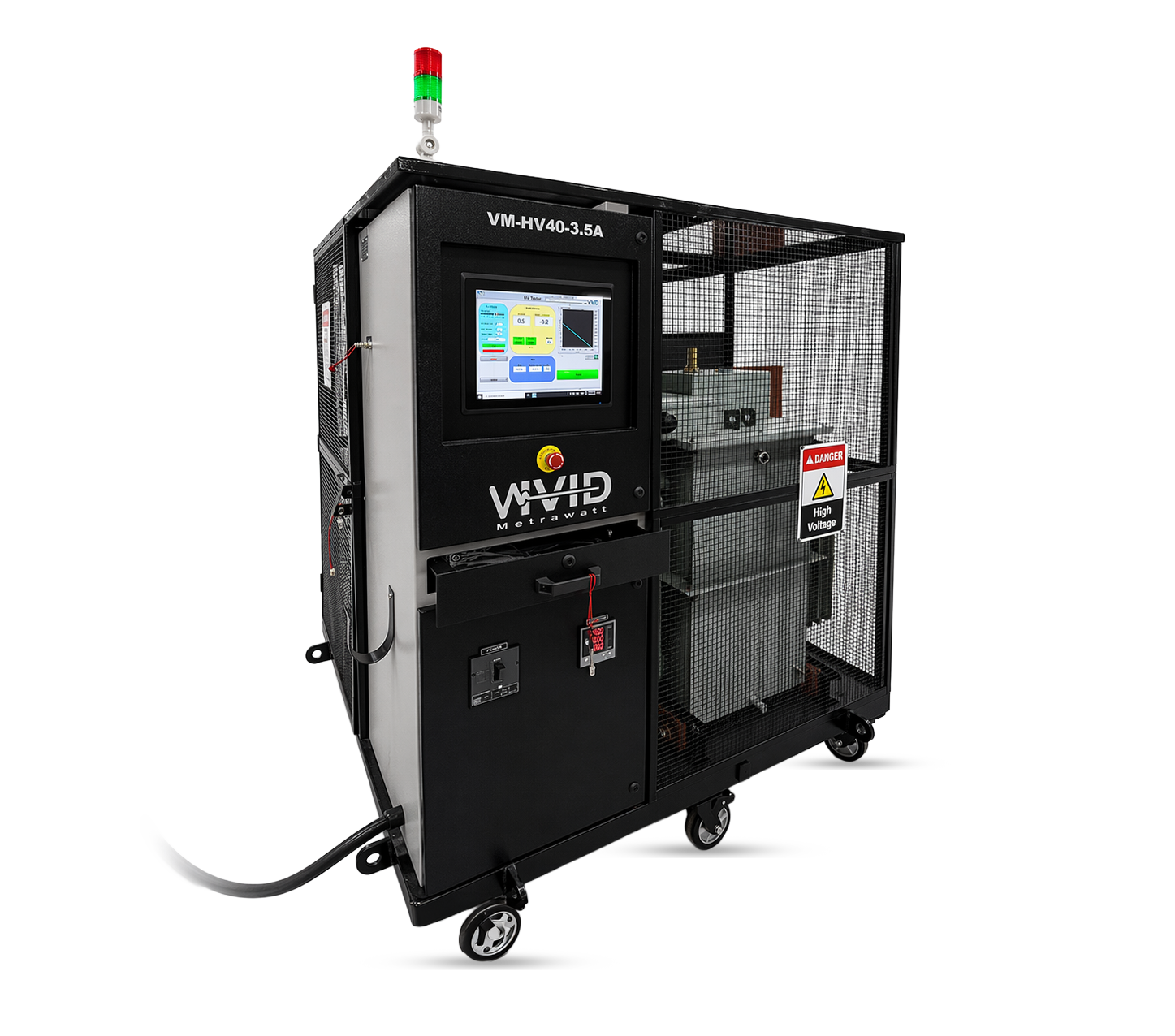
HiPot testers, and insulation diagnostic equipment to help you detect faults early and prevent costly downtime.
If you need guidance on selecting the right testing equipment or interpreting motor test results, our engineering team is ready to support you.