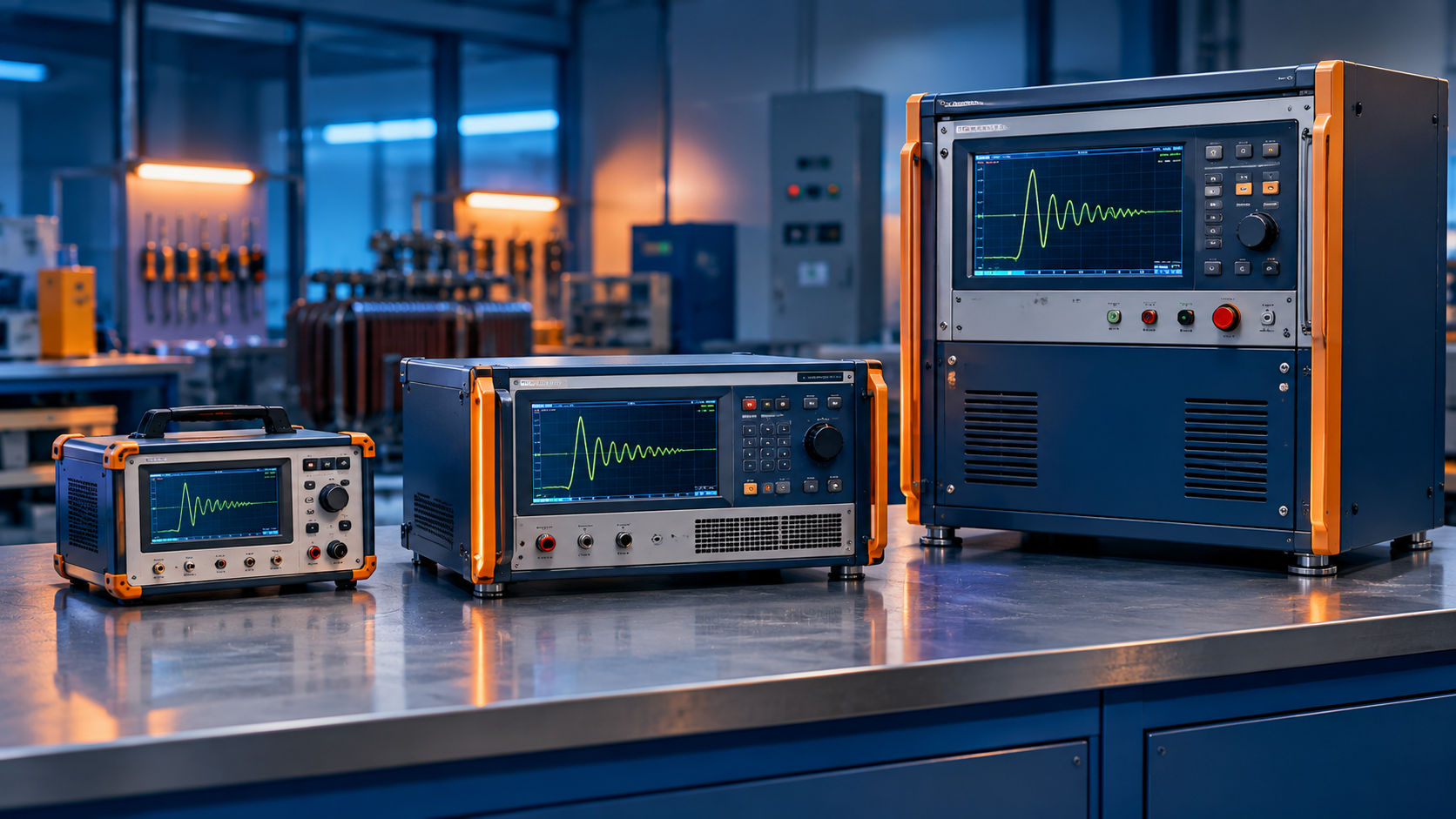

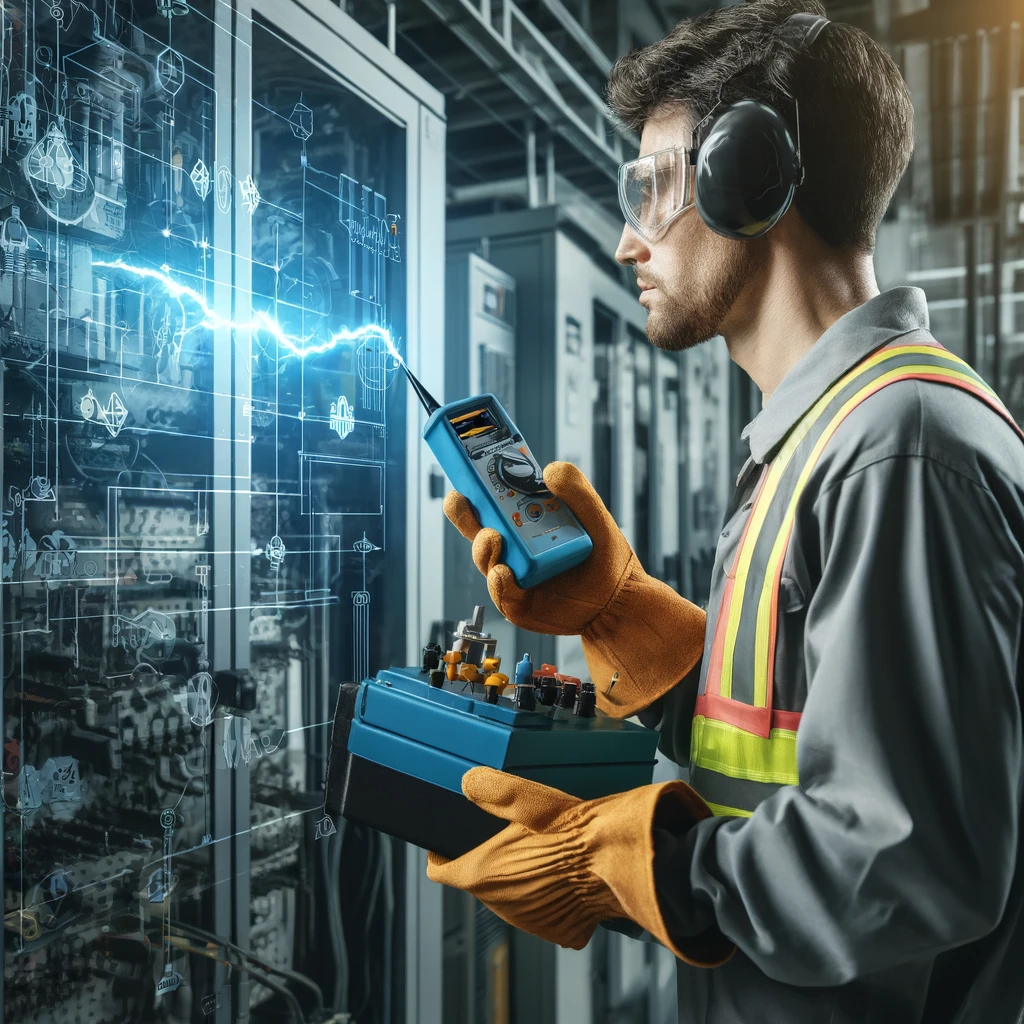
Surge testers are essential tools for ensuring the reliability and safety of electrical equipment. Their use in maintenance procedures helps identify potential issues before they lead to costly failures or dangerous situations. This comprehensive guide will delve into the top benefits of using surge testers for electrical equipment maintenance, providing insights into their functionality, applications, and the advantages they offer to industries reliant on electrical systems.
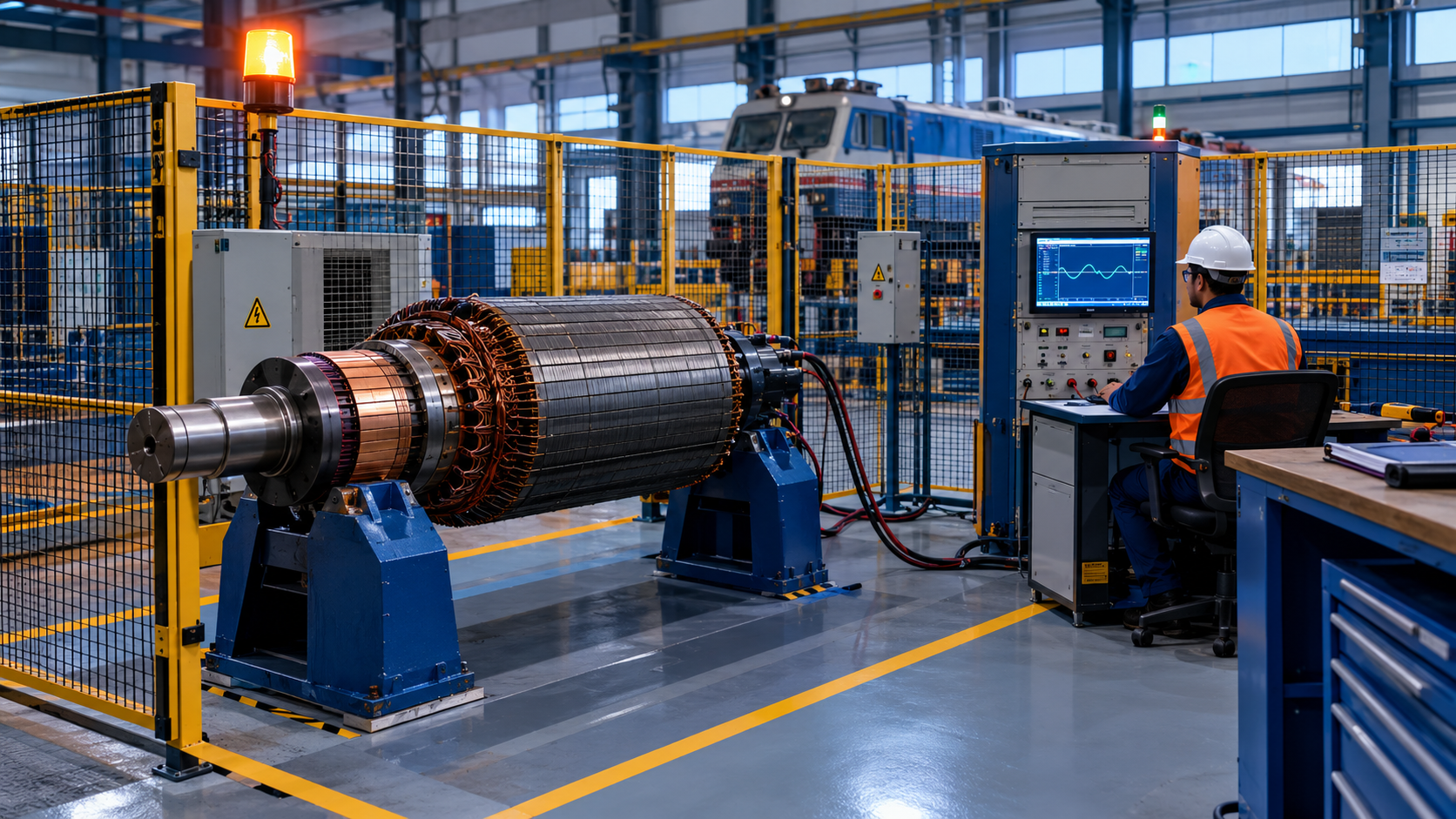
Surge testers, also known as impulse testers, are devices designed to apply high-voltage pulses to electrical equipment. These pulses simulate the effects of power surges and other transient events that can occur in electrical systems. By subjecting equipment to these conditions, surge testers — such as the VM5K/VM6K digital surge tester — help identify weaknesses or faults that might not be apparent under normal operating conditions.
Surge testers work by generating high-voltage pulses and applying them to the equipment under test. The equipment’s response to these pulses is measured and analyzed. Models like the 10kV/12kV/15kV digital surge tester can detect issues such as insulation breakdowns, winding faults, and other irregularities that could compromise the equipment’s performance and safety.
One of the primary benefits of using surge testers is the early detection of faults. Electrical equipment can develop issues over time due to wear and tear, environmental factors, or manufacturing defects. Compact units such as the 1kV digital armature surge tester and the 3kV digital armature surge tester help identify these problems at an early stage, allowing for timely intervention and preventing catastrophic failures.
Regular use of surge testers in maintenance routines enhances the overall reliability of electrical equipment. By identifying and addressing potential faults before they escalate, tools like the 5kV automatic surge tester and 3kV automatic surge tester help ensure that equipment operates smoothly and efficiently, reducing the likelihood of unexpected downtime.
Safety is paramount in any industry that relies on electrical equipment. Faulty electrical systems can pose significant risks, including fire hazards, electrical shocks, and equipment damage. Surge testers combined with hi-pot testing, such as the 10kV/12kV/15kV digital surge tester with hi-pot test, help mitigate these risks by identifying and rectifying issues that could lead to dangerous situations, thereby enhancing the safety of the workplace and personnel.
Investing in surge testers can lead to substantial cost savings in the long run. By preventing equipment failures and reducing downtime, businesses can avoid the high costs associated with emergency repairs, replacement of damaged equipment, and production losses. Additionally, maintaining equipment in optimal condition with instruments like the 6kV LCD surge tester extends its lifespan, further contributing to cost savings.
Many industries are subject to stringent regulatory standards and guidelines regarding the maintenance and safety of electrical equipment. Using surge testers such as the 25kV/30kV/40kV digital surge tester as part of a regular maintenance program helps ensure compliance with these standards, avoiding potential fines, legal issues, and reputational damage.
Surge testers provide comprehensive diagnostics of electrical equipment. Units combining surge and DC hi-pot testing, like the 5kV/6kV digital surge tester with DC hi-pot and the 25kV/30kV/40kV digital surge tester with DC hi-pot, can detect a wide range of issues, from insulation breakdowns to winding faults, enabling maintenance teams to perform targeted repairs.
Surge testers support a proactive approach to maintenance, shifting the focus from reactive to preventive measures. Rather than waiting for equipment to fail, maintenance teams can use bar-to-bar testing units such as the 10kV/12kV/15kV digital surge tester with bar-to-bar test or the 6kV digital surge tester with bar-to-bar test to identify and address issues before they cause significant disruptions.
By ensuring the reliability and safety of electrical equipment, surge testers contribute to increased operational efficiency. Equipment that operates at peak performance requires less maintenance, experiences fewer breakdowns, and performs its intended functions more effectively.
Surge testers are versatile tools that can be used across a wide range of applications. High-power models such as the 10kV/12kV/15kV surge tester (high power) and the 6kV surge tester (high power) make them invaluable in industries such as manufacturing, utilities, transportation, and aerospace, where diverse electrical systems are in use.
Modern surge testers are equipped with advanced data collection and analysis capabilities. The 50kV digital surge tester provides detailed reports on the condition of electrical equipment, enabling maintenance teams to make informed decisions based on data-driven insights.
In the manufacturing industry, electrical equipment is critical for production processes. Surge testers help ensure the reliability of motors, conveyors, and other machinery, minimizing downtime and maintaining production efficiency.
The utility sector relies heavily on transformers, generators, and distribution systems. High-voltage instruments such as the automatic high-voltage tester 40kV and automatic high-voltage tester 30kV play a crucial role in maintaining the integrity of these systems, preventing outages, and ensuring a continuous supply of electricity.
Transportation systems, including railways and aviation, depend on complex electrical systems for safe and efficient operation. Surge testers help maintain the reliability of these systems, enhancing safety and performance.
In the aerospace industry, electrical equipment must meet stringent reliability and safety standards. Tools such as the automatic high-voltage tester 20kV and automatic high-voltage tester 15kV are used to verify the integrity of avionics, ensuring the safety of aircraft and passengers.
Renewable energy systems, such as wind turbines and solar panels, require reliable electrical components to function effectively. Surge testers help maintain these components, ensuring consistent energy production and minimizing downtime.
Surge testers are designed to generate high-voltage pulses, simulating the conditions that equipment may encounter in real-world scenarios. This capability is essential for identifying potential faults that could compromise equipment performance and safety.
Accurate measurement and analysis of equipment responses to high-voltage pulses are critical for effective diagnostics. Surge testers provide precise measurements, enabling maintenance teams to identify and address issues with confidence.
Modern surge testers come with user-friendly interfaces, making them accessible to maintenance personnel with varying levels of expertise. Intuitive controls and clear displays facilitate efficient testing and analysis.
Portability is an important feature for surge testers, allowing maintenance teams to use them in various locations. Portable surge testers are particularly valuable for field service applications, where equipment needs to be tested on-site.
Advanced surge testers are equipped with data logging and reporting capabilities. These features enable the collection and analysis of test data, providing valuable insights into equipment performance and facilitating informed maintenance decisions.
Surge testers are designed to be compatible with a wide range of electrical equipment. This compatibility ensures that they can be used across different industries and applications, providing a versatile solution for electrical maintenance.
To maximize the benefits of surge testers, it is essential to develop a regular maintenance schedule. This schedule should outline the frequency of surge testing for different types of equipment, ensuring that all critical components are tested periodically.
Proper training is crucial for the effective use of surge testers. Maintenance personnel should be trained on the operation of surge testers, data interpretation, and the identification of potential issues. Ongoing training ensures that staff remain proficient in using these tools and up-to-date with the latest testing techniques.
Surge testing should be integrated with other maintenance practices, such as visual inspections, thermal imaging, and insulation resistance testing. This comprehensive approach ensures that all aspects of equipment health are monitored, providing a holistic view of equipment condition and performance.
Documenting test results is vital for tracking equipment performance over time. Detailed records of surge testing activities, including test dates, equipment tested, and identified issues, should be maintained. This documentation helps identify trends, plan maintenance activities, and ensure compliance with regulatory standards.
The data collected from surge testing can be used for predictive maintenance. By analyzing test results and identifying patterns, maintenance teams can predict when equipment is likely to develop faults and take proactive measures to prevent failures. Predictive maintenance helps optimize maintenance schedules, reduce downtime, and extend equipment lifespan.
The use of surge testers in electrical equipment maintenance offers numerous benefits, including early fault detection, improved equipment reliability, enhanced safety, cost savings, and compliance with standards. Surge testers provide comprehensive diagnostics, support proactive maintenance, and contribute to increased operational efficiency across various industries. By implementing surge testing as part of a regular maintenance program, businesses can ensure the reliability and safety of their electrical equipment, ultimately enhancing performance and reducing costs.
Discover advanced induction heating solutions designed for efficiency, precision, and sustainability.
Explore Solutions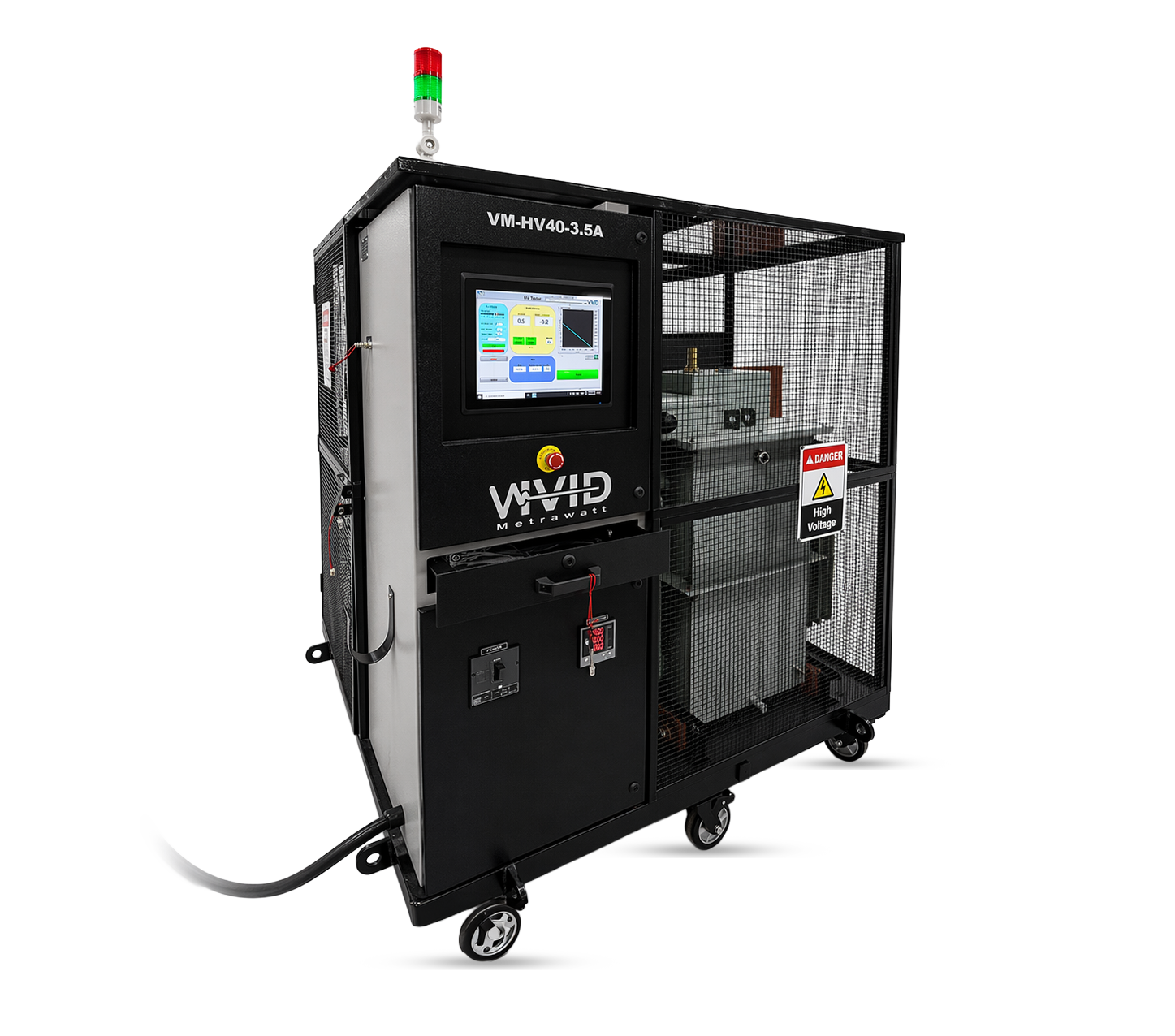

![Surge Testing for Wind Turbine Generators: Complete Guide [2026]](https://vividmetrawattglobal.com/wp-content/uploads/2026/09/a_wide_cinematic_industrial_outdoor_scene_at_an_o.webp)