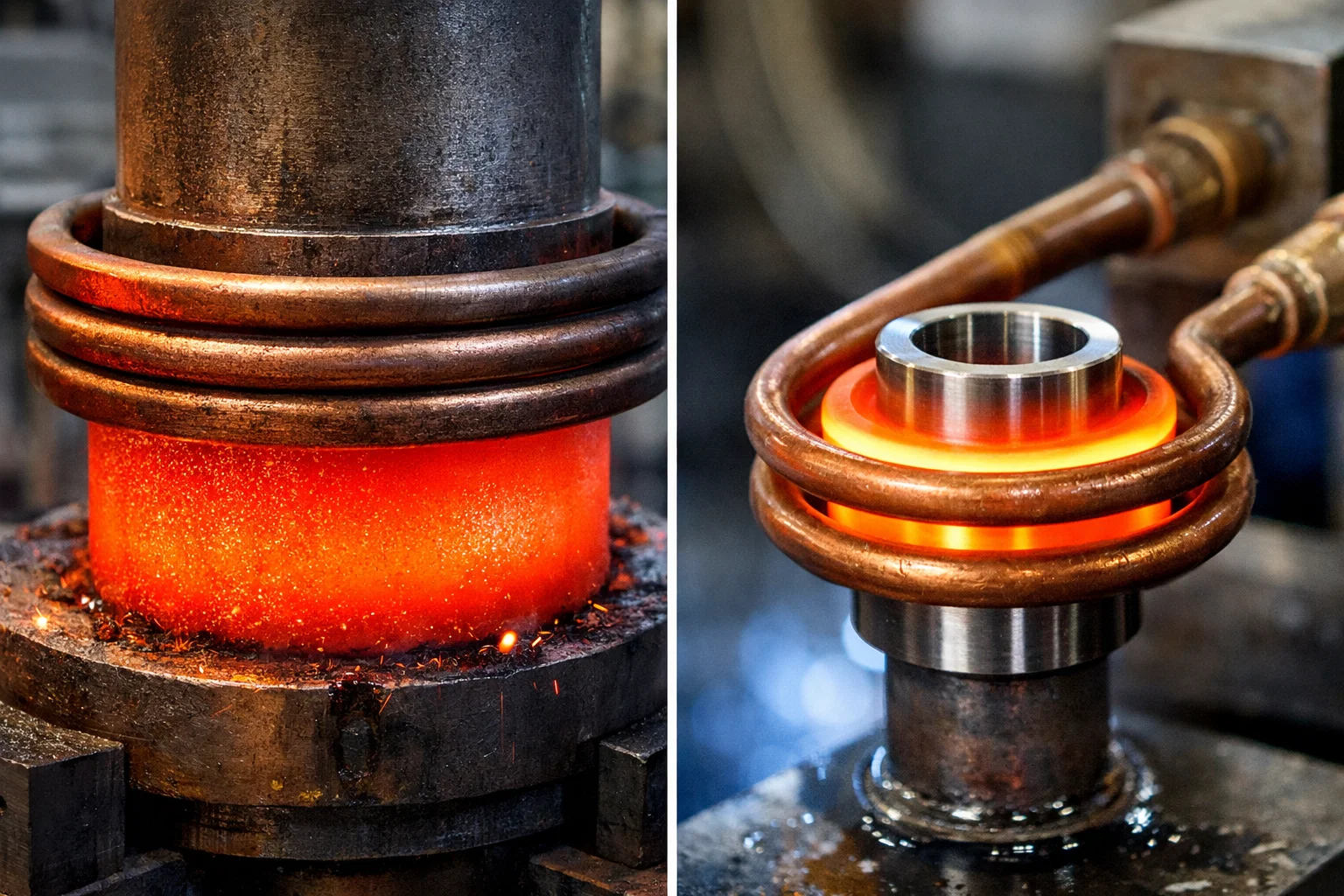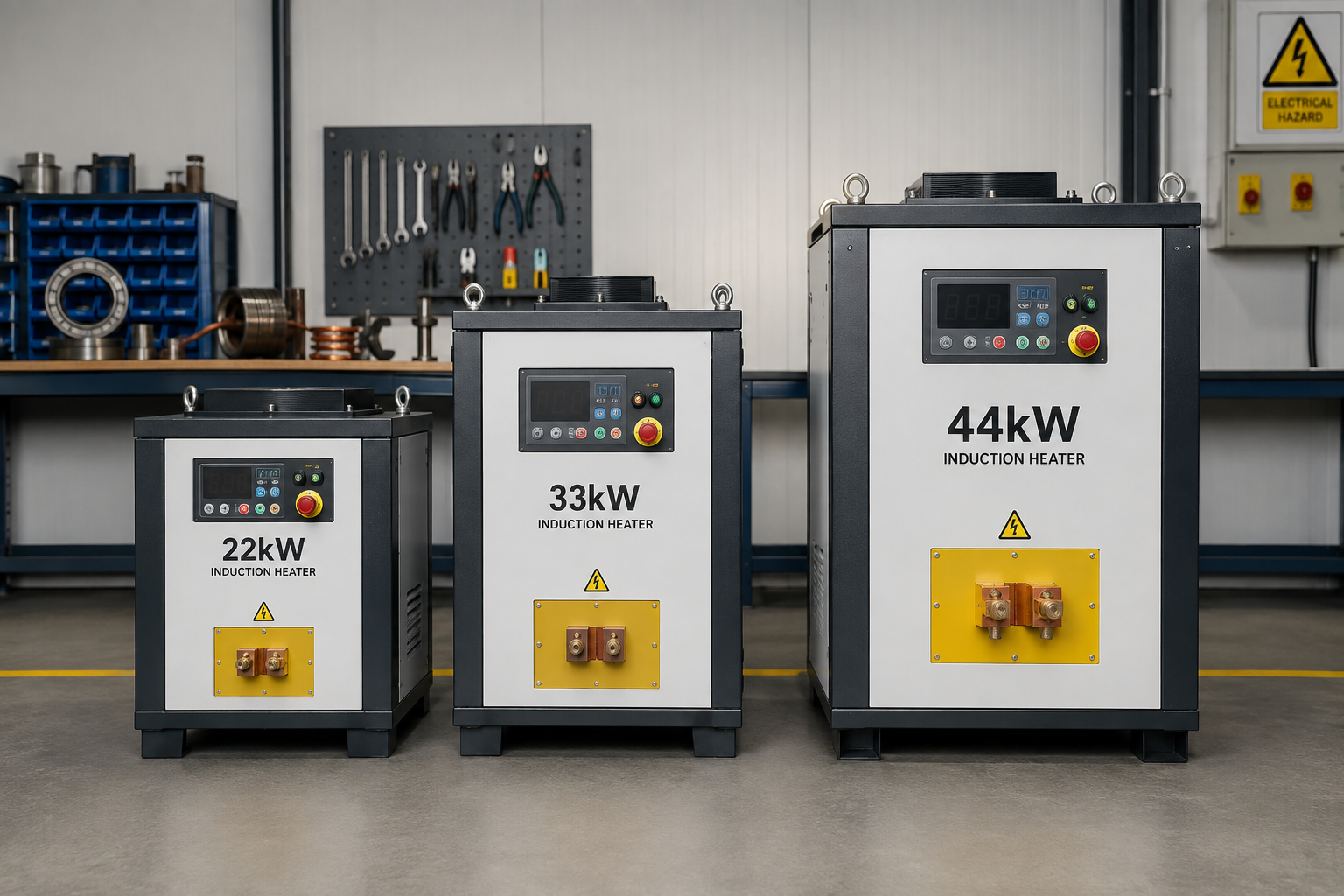
22KW vs 33KW vs 44KW Induction Heater: Which One Should You Buy in 2026?
⚡ QUICK FACTS 22KW — best for bearings, small castings, and low-volume workshops 33KW — the industrial “middle ground” for…

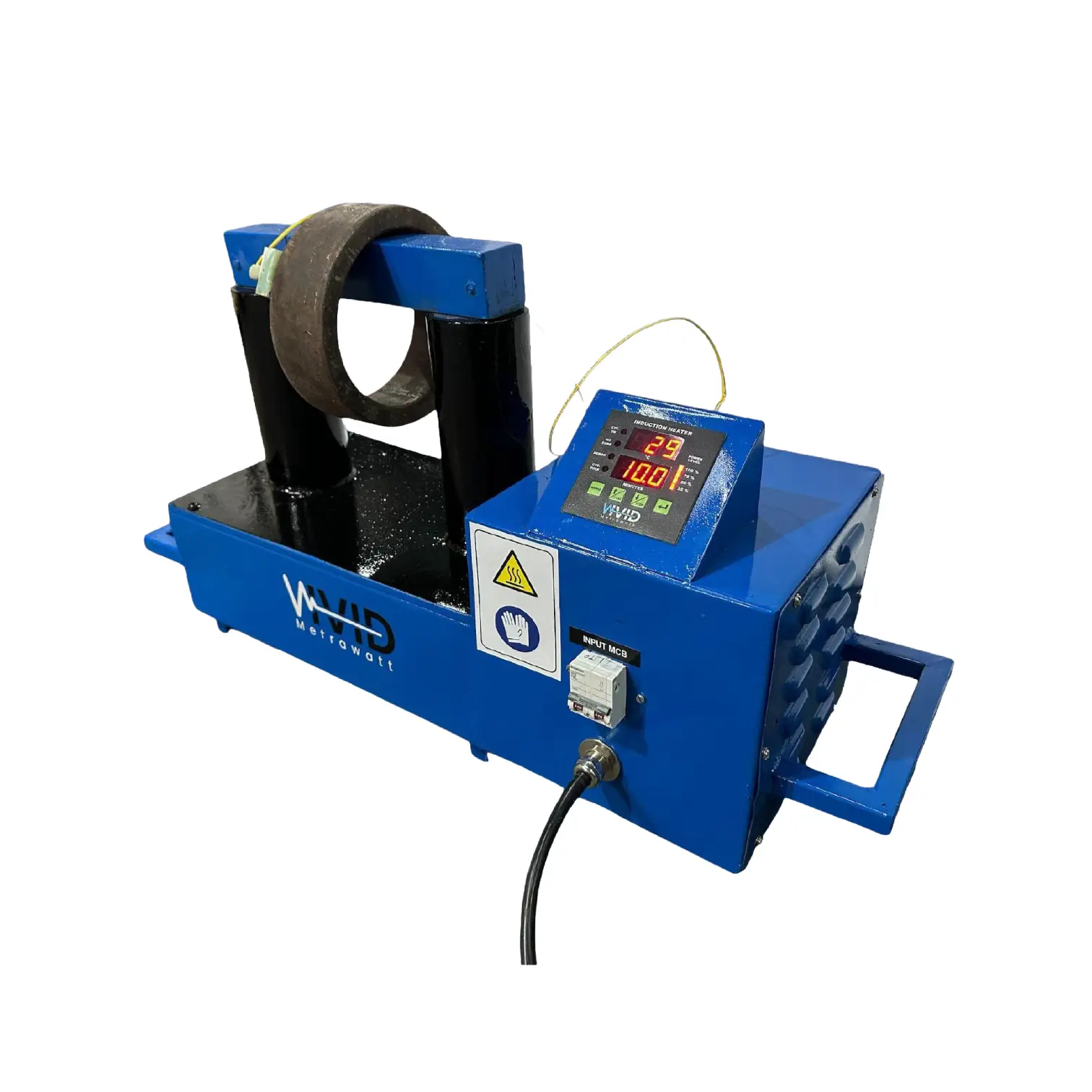
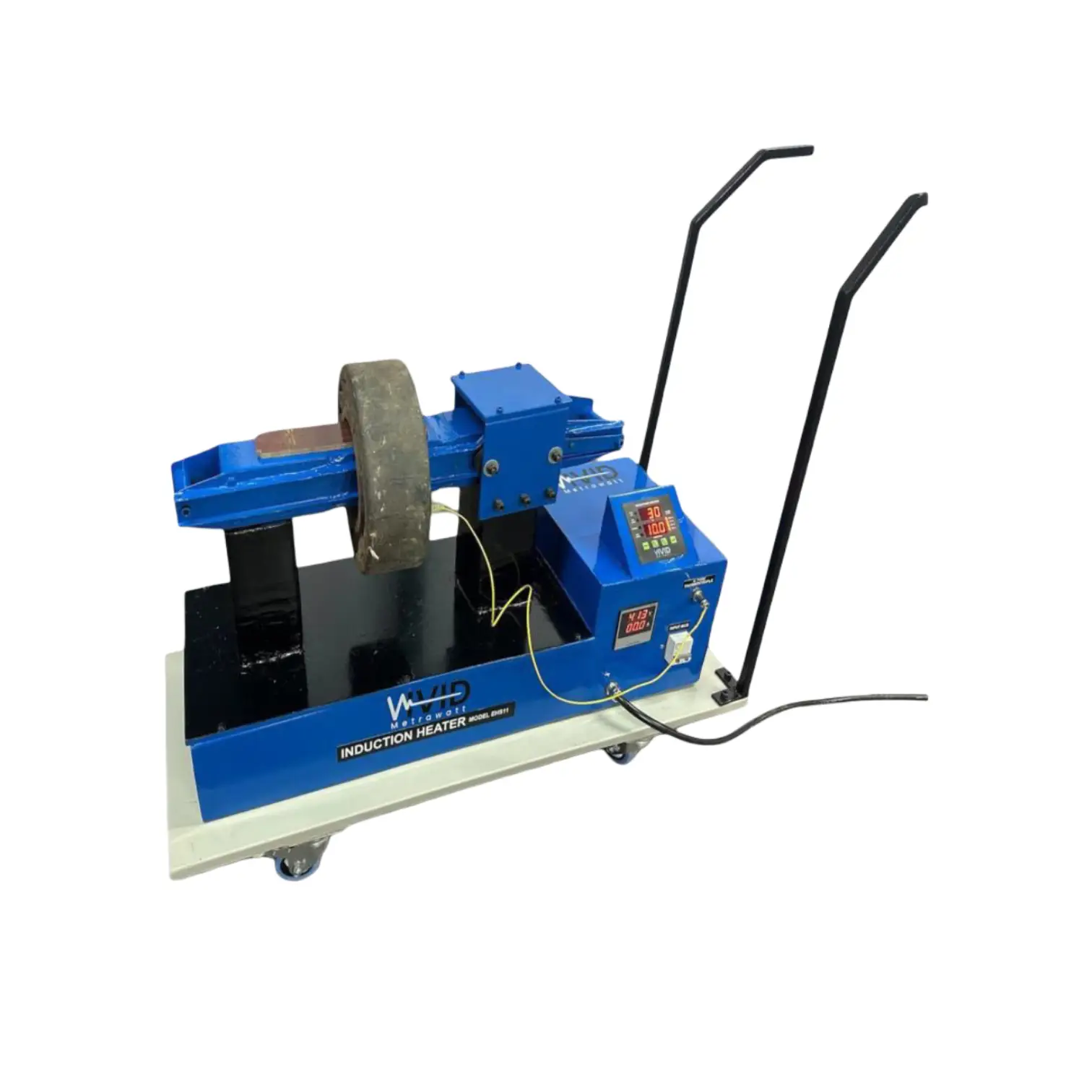
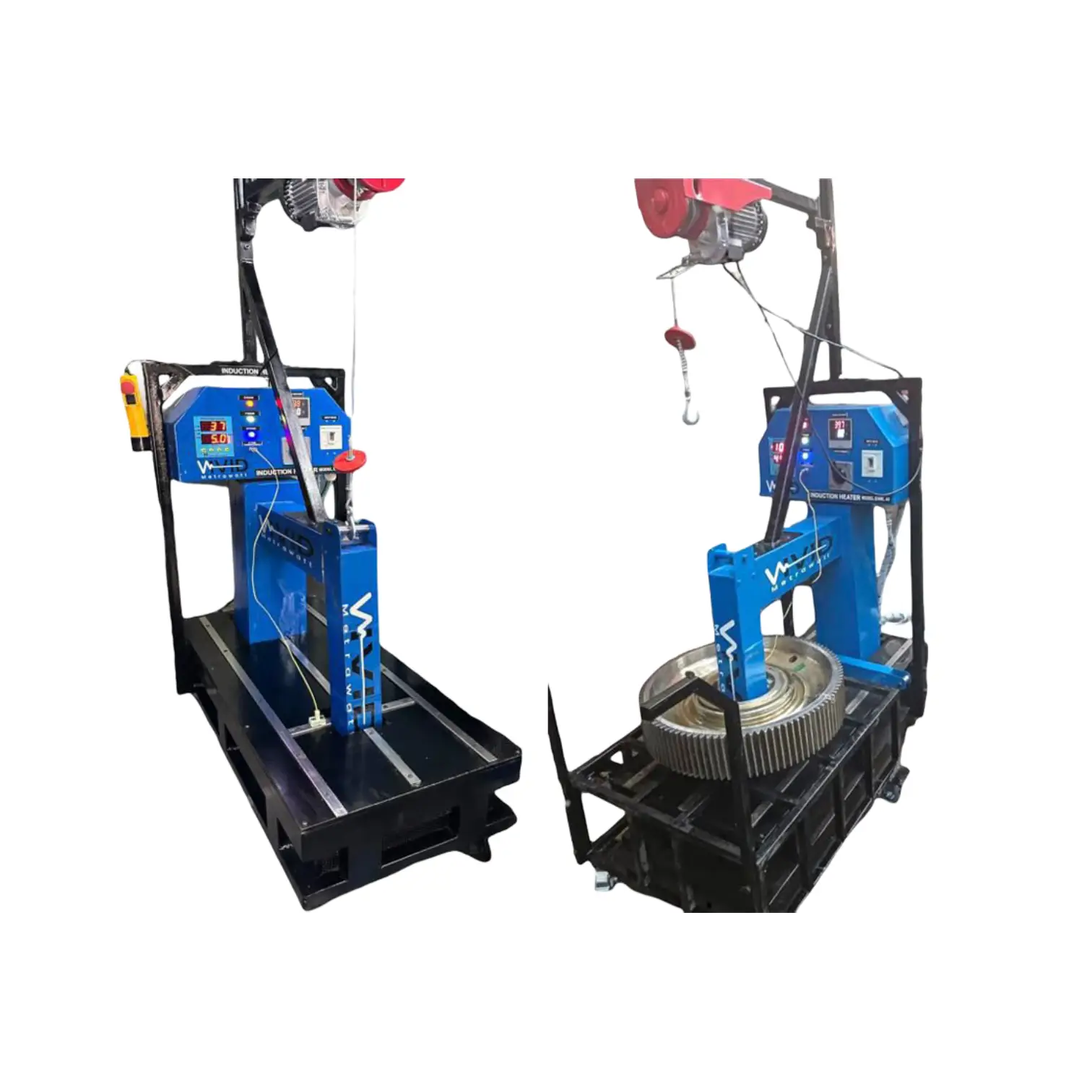
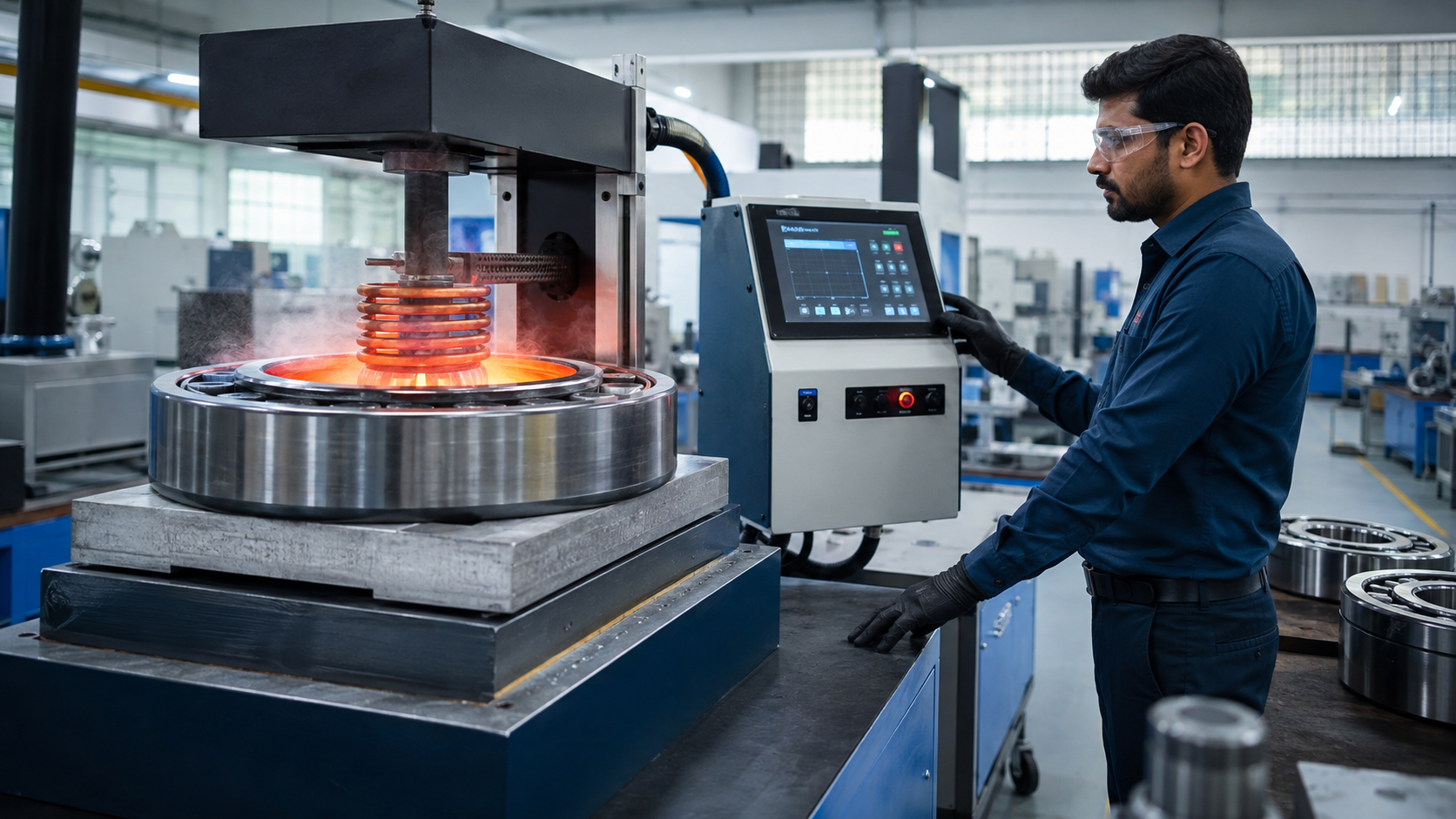
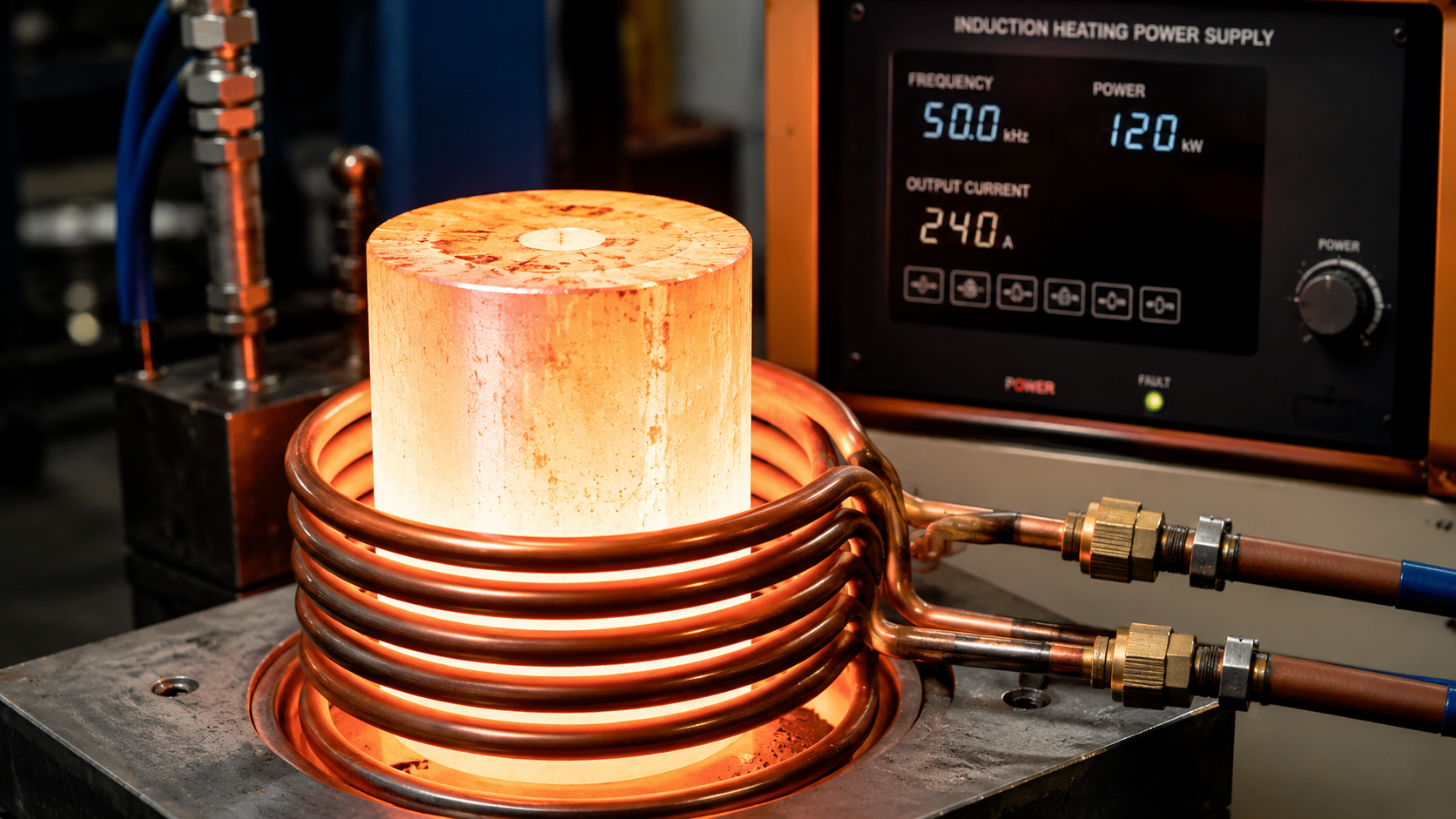
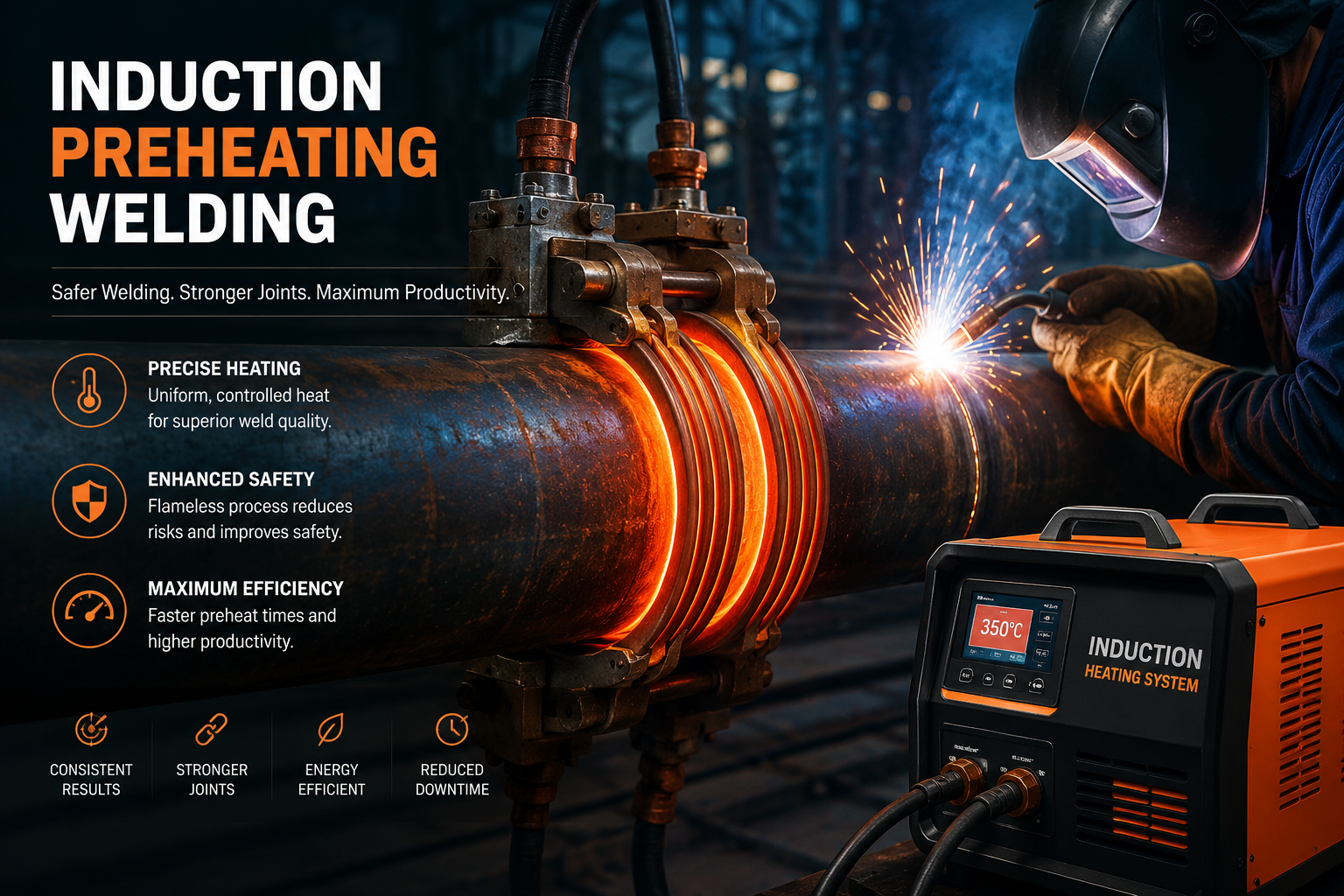
An industrial induction heater heats conductive metal components using electromagnetic fields — with no flame, no oil, and no physical contact. In bearing maintenance and installation, it's used specifically to:
It's the industry-standard method recommended by all major bearing manufacturers including SKF, FAG, NSK, and Timken.
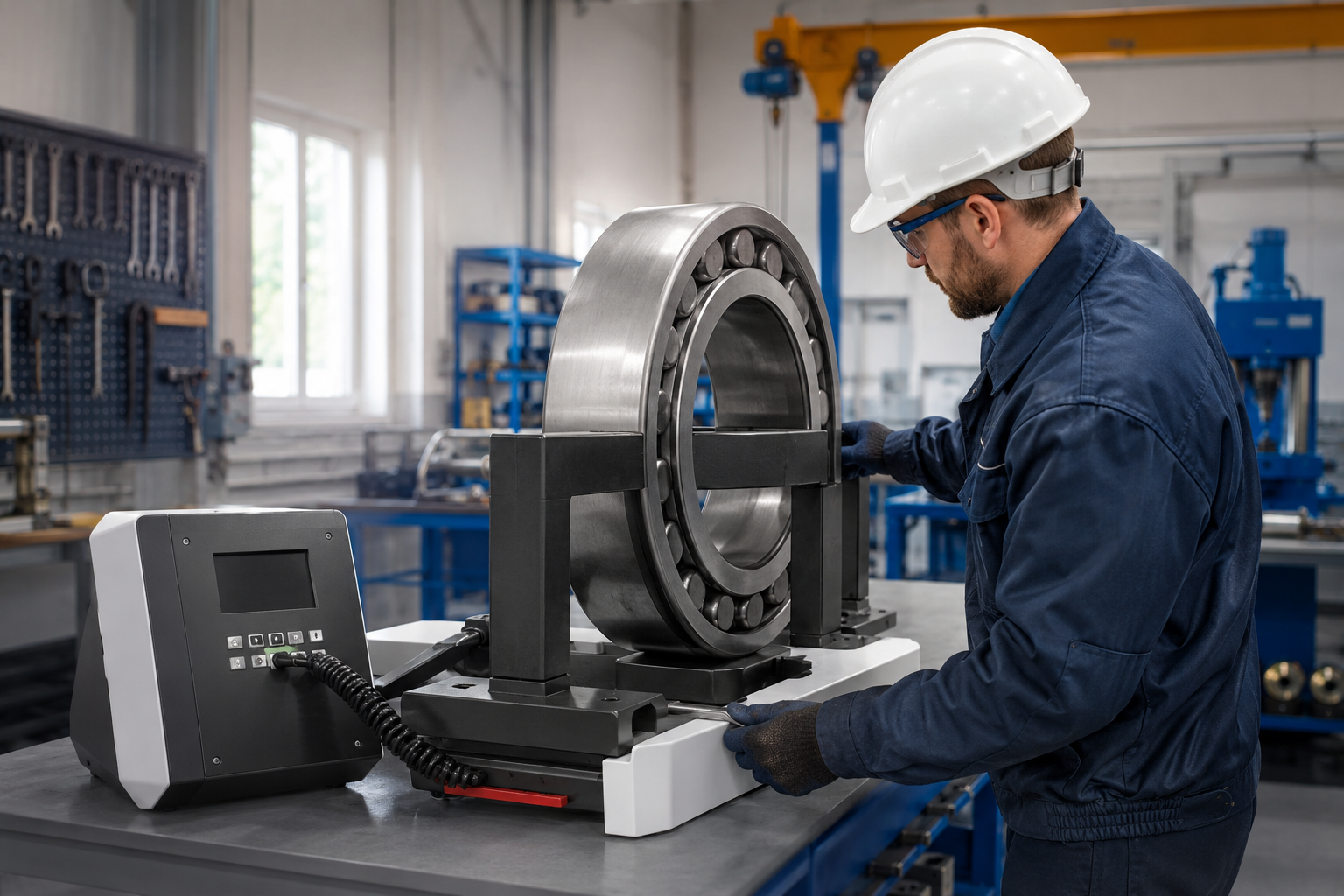
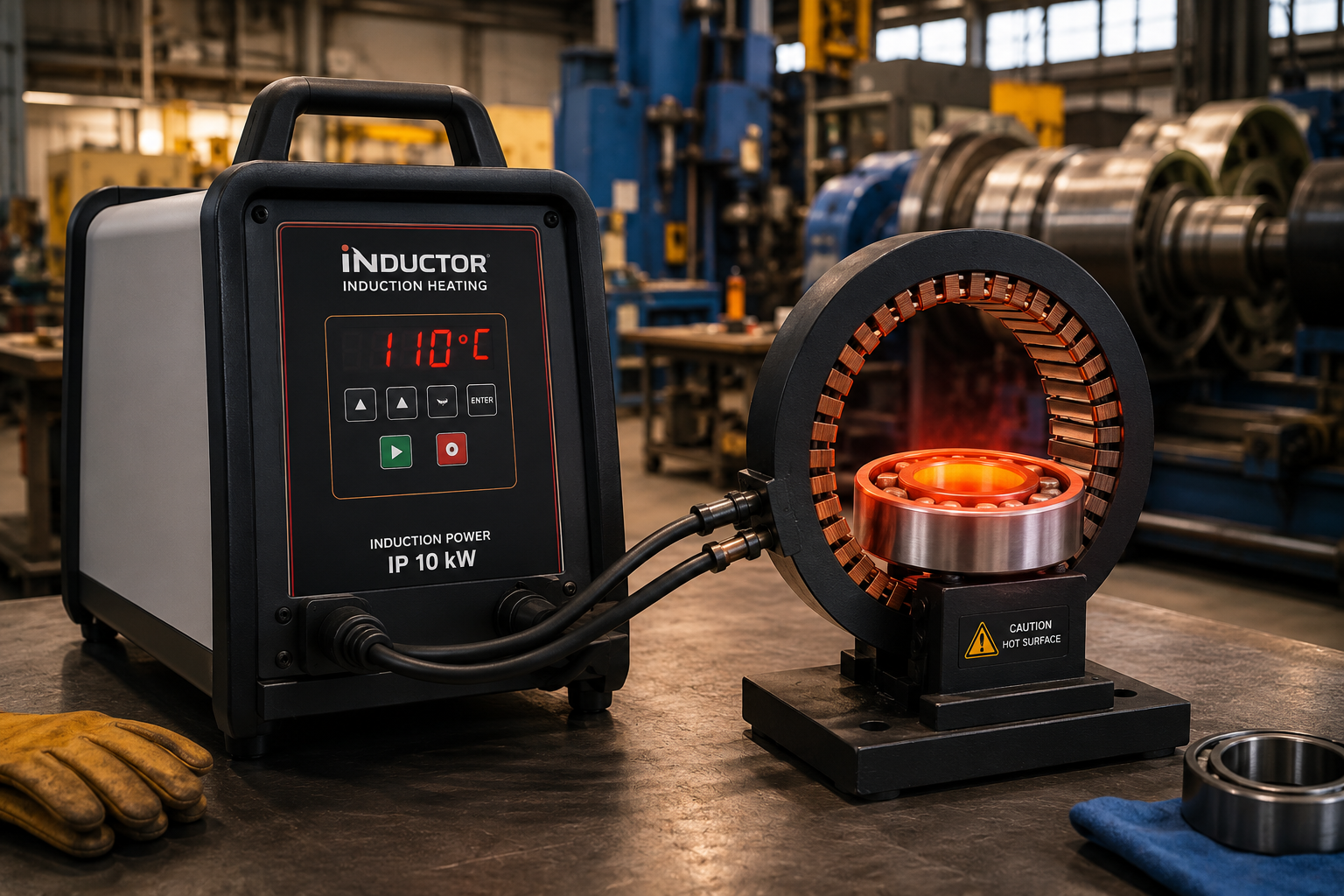
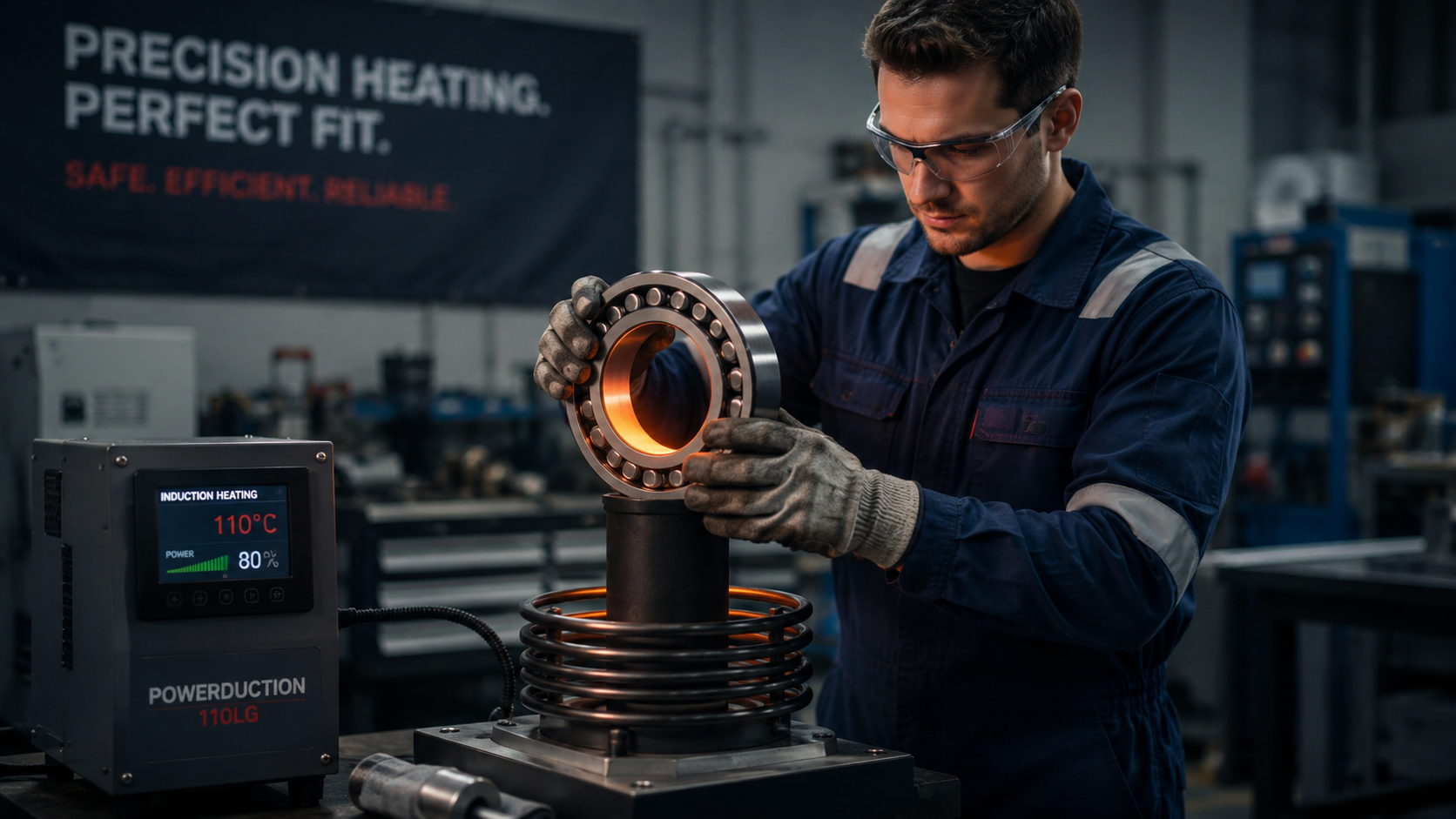
A bearing induction heater works on the principle of electromagnetic induction. When the bearing (or any ferrous metal component) is placed on the heater's magnetized yoke or spindle, an alternating current induces eddy currents within the metal, generating heat from within the component itself.
The process in 4 steps:
After cooling, it contracts to a perfect interference fit. This method dramatically extends bearing life compared to cold pressing or oil bath heating.
Each model in our bearing heater range is optimized for a different bearing size and weight:
| Model | kVA Rating | Best For |
|---|---|---|
| EHS/EHSU:4 | 4 kVA | Small bearings — up to ~20kg; light-duty maintenance |
| EHS/EHSU:8 | 6–8 kVA | Medium bearings — up to ~50kg; general industrial use |
| EHS/EHSU:16 | 16 kVA | Larger bearings — up to ~150kg; heavy equipment maintenance |
| EHML:25/40 | 25–40 kVA | Heavy-duty bearings — large bore, high-load applications |
Selection tip: Match the model to your largest regularly-used bearing. If you work with a wide range, the EHML:25/40 gives you the most flexibility. Ask our team for a recommendation.
Yes. All Vivid Metrawatt bearing induction heaters include automatic temperature control with thermal cutoff. The unit:
This is critical for bearings — overheating beyond the steel's tempering temperature (typically 125°C for standard bearings) can permanently reduce hardness and drastically shorten bearing life. Automatic control eliminates this risk entirely.
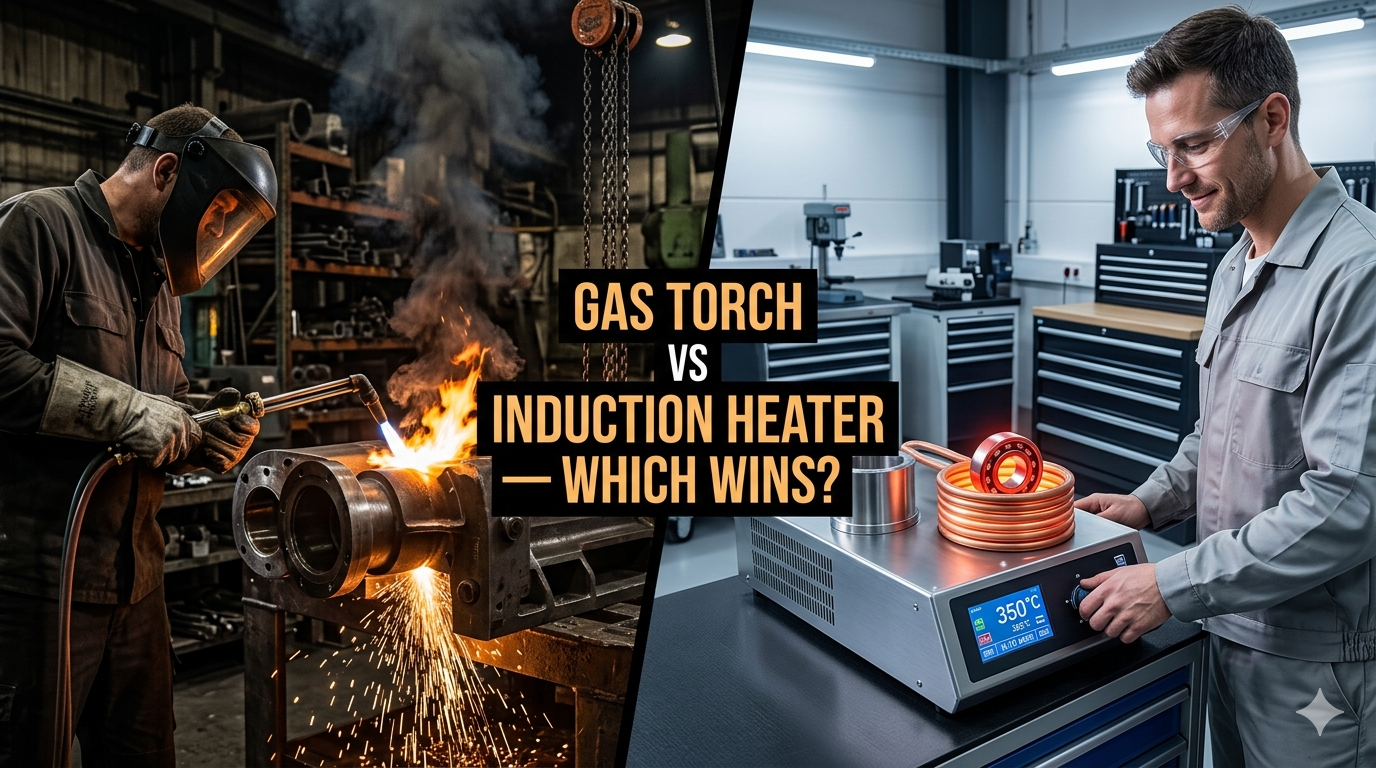
Induction heating is the safest method for bearing mounting available today. Compared to oil baths and flame heating:
Standard PPE (heat-resistant gloves, safety footwear) is still required when handling heated components.
Yes. While these units are optimized for bearing installation, they work effectively on any ferrous metal component with a similar geometry:
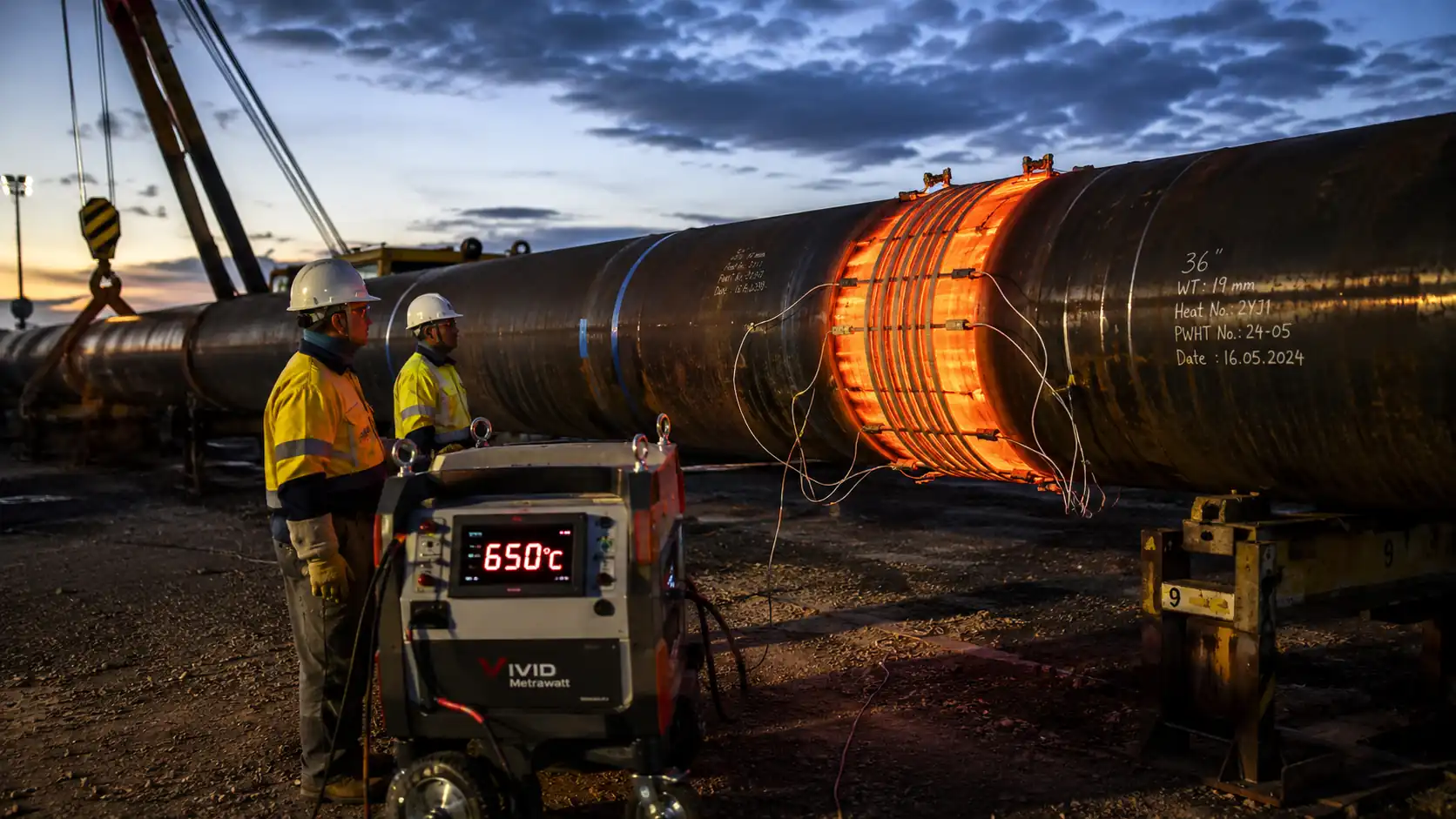
If the component has a bore that can seat on the heater's yoke or spindle, it can typically be heated. For irregularly shaped components or very large parts, our industrial induction heater range (22kW–44kW) may be more suitable.
Our bearing heaters are used by maintenance teams across:
Any facility running rotating equipment benefits from having a dedicated bearing induction heater in their maintenance toolkit.
Yes. If your bearing sizes or application requirements fall outside our standard range — or if you need a fleet of units for a large plant — we're equipped to help. We assist with:
Reach out to our team with your bearing dimensions and we'll recommend the right fit.