
Hey there! Ever wondered how the machines that power our modern world keep humming along smoothly? Electric motors are the unsung heroes in various industries, driving everything from manufacturing equipment to HVAC systems. But have you ever thought about what keeps these motors running reliably and efficiently? One key practice is surge testing. Today, we’re diving deep into the world of electric motor reliability and efficiency, and exploring how expert surge testing plays a crucial role. So, let’s get started!
When we talk about electric motor reliability, we’re referring to the motor’s ability to perform its intended function consistently over time without unexpected failures. Imagine your electric motor as a marathon runner. A reliable runner keeps a steady pace, rarely falters, and finishes the race without a hitch. In industrial applications, this translates to continuous operation without unexpected shutdowns.
Reliability is crucial in industrial settings because a single motor failure can halt an entire production line, leading to significant downtime and financial losses. Common causes of motor failures include insulation breakdown, winding faults, bearing issues, and electrical imbalances. Each of these problems can be mitigated through regular maintenance and thorough testing, such as with the 1kV digital armature surge tester or the 3kV digital armature surge tester.
Efficiency, on the other hand, is all about how well an electric motor converts electrical energy into mechanical energy. The more efficient the motor, the less energy it wastes, which is beneficial for both the environment and your wallet. Think of an efficient motor as a well-oiled machine that gets the most out of every drop of fuel.
In terms of impact, an efficient motor reduces energy consumption and lowers operational costs. Factors affecting motor efficiency include design, load conditions, maintenance practices, and, importantly, the condition of the motor windings and insulation. Efficient motors not only save energy but also run cooler and last longer, reducing the need for frequent replacements and repairs.
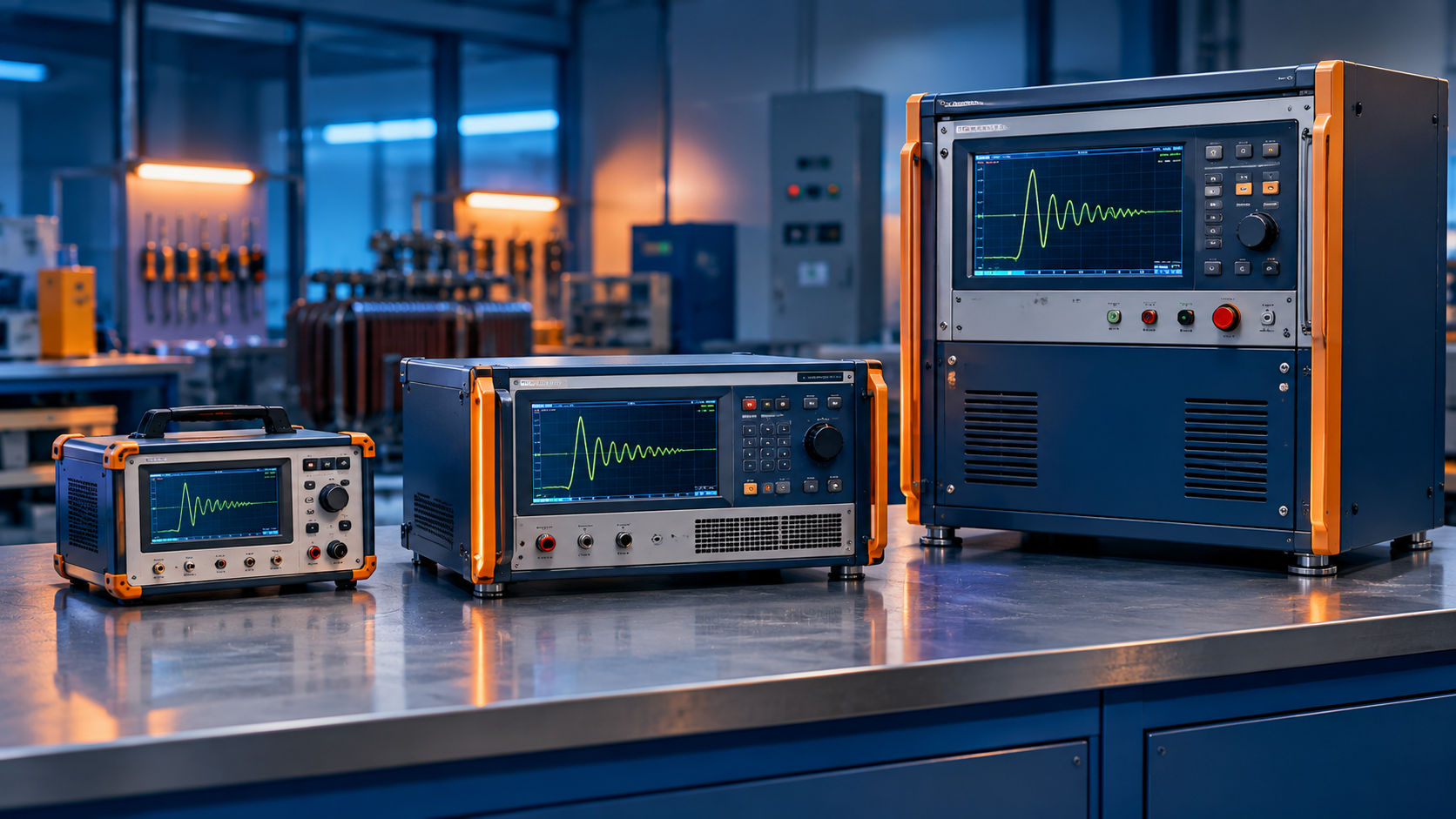
Now, let’s unravel the mystery of surge testing. A diagnostic technique called surge testing is employed to assess the state of an electric motor’s windings and insulation system, using instruments such as the VM5K/VM6K digital surge tester. Its primary purpose is to detect weaknesses or faults that could lead to motor failures. Picture it as a stress test for your motor, pushing it to reveal any hidden vulnerabilities.
Surge testing has a rich history dating back to the early 20th century when engineers sought ways to prevent motor failures in critical applications. Over the years, it has evolved significantly with advancements in technology, making it a standard practice in motor maintenance and reliability programs.
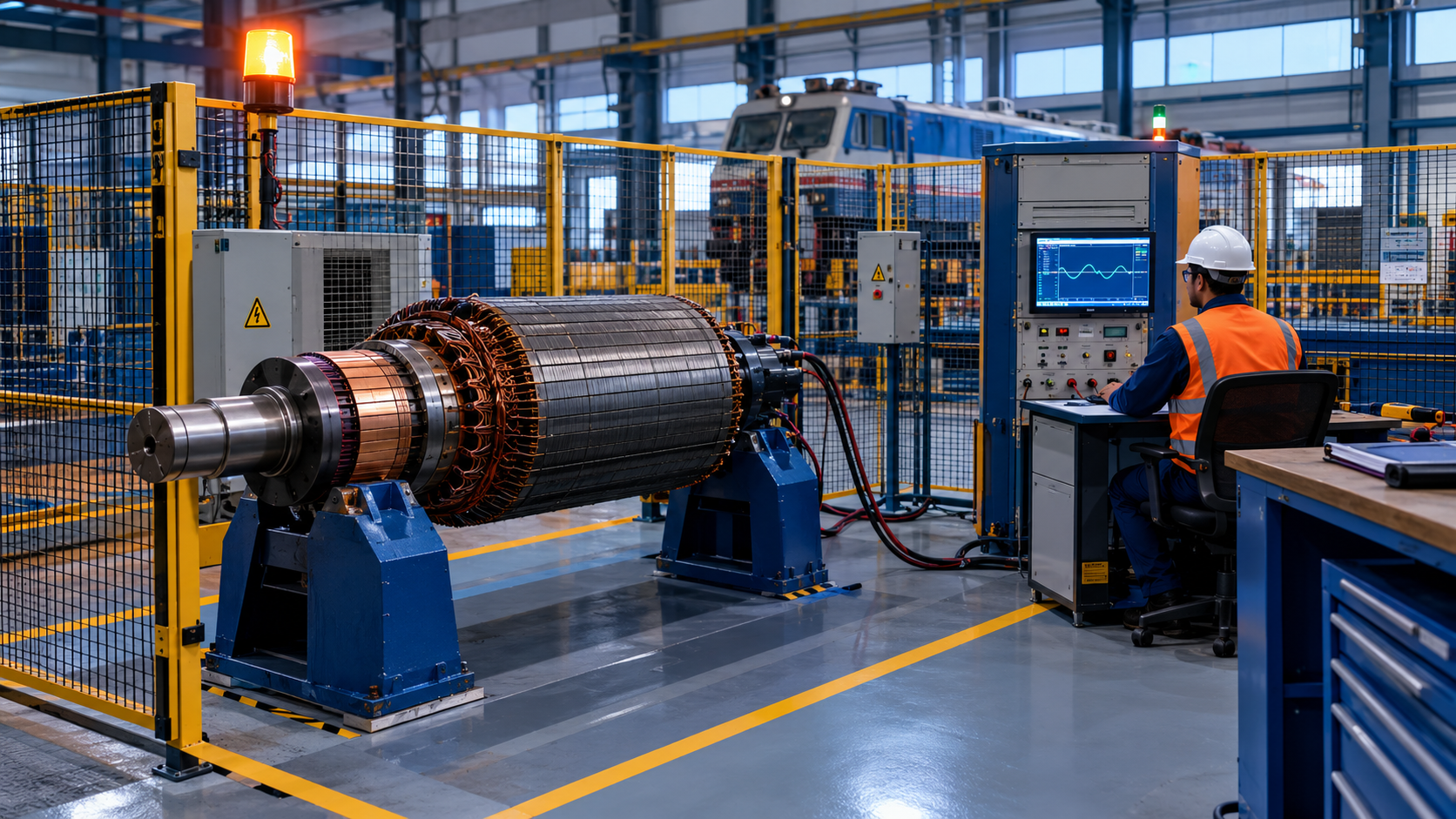
So, how exactly is surge testing carried out? The process involves several steps, starting with the selection of appropriate testing equipment. This usually includes a surge tester, such as the 6kV LCD surge tester, which generates high-voltage pulses, and oscilloscopes to measure the response of the motor windings.
Testing procedures involve applying these high-voltage pulses to the motor windings and recording their responses. The key is to observe the resulting waveforms for any irregularities that could indicate insulation weaknesses or winding faults. There are different types of surge tests, including the surge comparison test and the surge waveform test, each providing valuable insights into the motor’s health.
Surge Comparison Test: This test involves comparing the surge response of the motor under test with that of a well-known motor, often using bar-to-bar test units like the 10kV/12kV/15kV digital surge tester with bar-to-bar test or the 6kV digital surge tester with bar-to-bar test. Any discrepancies in the waveforms can indicate potential issues.
Surge Waveform Test: This test focuses on analyzing the shape and consistency of the surge waveform generated by the motor windings. Deviations from the expected pattern can signal insulation degradation or winding faults.
Other Relevant Tests: Additional tests, such as impulse tests and partial discharge tests — often paired with hi-pot testing on units like the 10kV/12kV/15kV digital surge tester with hi-pot test — can complement surge testing to provide a comprehensive assessment of the motor’s condition.
Enhancing motor reliability is one of surge testing’s most important advantages. By detecting winding issues early with tools like the 5kV automatic surge tester, surge testing helps prevent unexpected motor failures. Imagine catching a minor issue before it becomes a major problem—that’s what surge testing does for your electric motor.
Surge testing also plays a crucial role in improving motor efficiency. By identifying insulation degradation, it ensures that motors operate at optimal performance levels. Efficient motors consume less energy, run cooler, and have longer lifespans. This not only saves on energy costs but also reduces the frequency of maintenance and replacement.
The cost savings from surge testing are significant. Regular surge testing, using models such as the 3kV automatic surge tester, can lead to reduced maintenance costs, increased motor lifespan, and fewer production interruptions. It’s like investing in regular check-ups for your health—you might spend a little upfront, but the long-term savings and peace of mind are well worth it.
Ready to get hands-on? Here’s a step-by-step guide to conducting surge tests on electric motors:
Preparation and Safety Measures: Before starting, ensure that the motor is disconnected from the power supply and any residual voltage is discharged. Safety first!
Testing Different Motor Components: Begin by testing each winding separately. Record the responses after applying the surge pulses, for example with a high-power unit like the 6kV surge tester (high power) or the 10kV/12kV/15kV surge tester (high power) for larger motors.
Analyzing Test Results: Compare the recorded waveforms with the expected patterns. Look for any irregularities that could indicate insulation breakdowns or winding faults.
Interpreting the results is a critical step. Irregular waveforms can indicate various issues, from minor insulation wear to severe winding faults. Deciding on the necessary maintenance actions involves determining the severity of the issues and planning appropriate repairs or replacements.
Both surge testing and technology are ever-evolving. Recent advancements have brought digital surge testing and automated testing systems into the spotlight. A digital surge tester such as the 25kV/30kV/40kV digital surge tester provides more precise measurements and easier data analysis, while automated systems streamline the testing process, reducing the potential for human error.
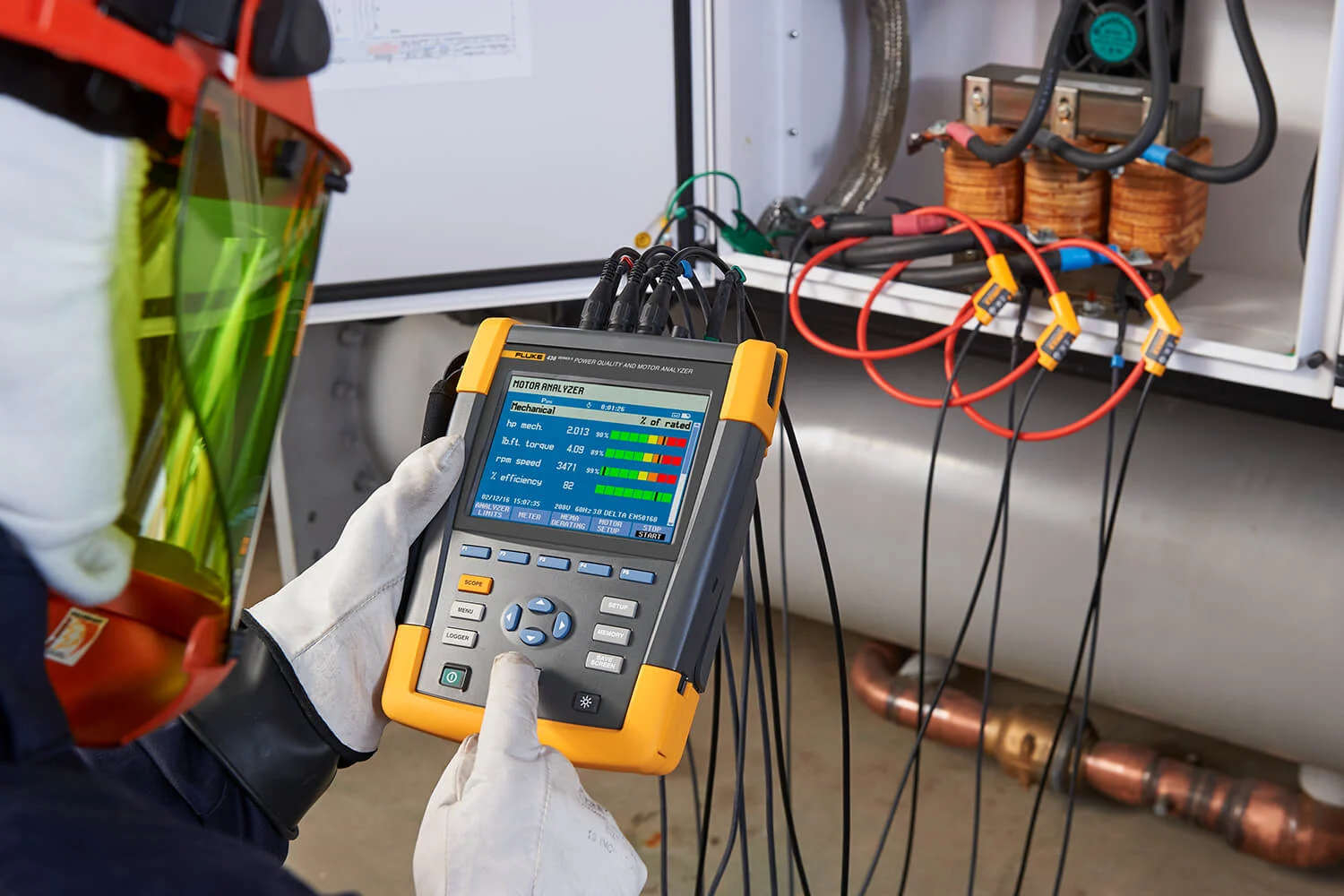
Surge testing is even more powerful when combined with other diagnostic tools. Vibration analysis can detect mechanical issues, while thermographic inspections can identify hotspots caused by electrical faults. Integrating these methods provides a comprehensive view of the motor’s health, ensuring no issue goes unnoticed.
Surge testing isn’t just theory—it’s being used successfully in various industries:
Manufacturing: In a large manufacturing plant, surge testing helped identify early signs of winding issues, preventing a costly production halt.
Oil and Gas: In the oil and gas industry, where reliability is paramount, high-voltage instruments like the automatic high-voltage tester 30kV ensured continuous operation of critical motors.
Power Generation: Power plants have benefited from enhanced motor efficiency and reliability, using equipment such as the automatic high-voltage tester 40kV, leading to more stable power output and reduced operational costs.
Take the example of a manufacturing plant that saw a significant improvement in motor reliability after implementing regular surge testing with the 50kV digital surge tester. The early detection of winding issues prevented unexpected breakdowns, saving the company substantial downtime and repair costs. Similarly, a power generation facility reported enhanced efficiency and extended motor lifespan, contributing to overall operational excellence.
In conclusion, surge testing is a vital practice for enhancing electric motor reliability and efficiency. By detecting issues early and ensuring optimal performance, surge testing helps minimize downtime, reduce maintenance costs, and extend motor lifespan. Integrating surge testing into your regular maintenance schedule is a smart move for any industry relying on electric motors.
Are you prepared to take the next action to guarantee the smooth and effective operation of your motors? Get expert surge testing services and treat your electric motors with the respect they require. Your wallet—as well as your mental health—will appreciate it!
Get expert surge testing services to enhance electric motor performance, reduce downtime, and improve efficiency. Our specialists can help you choose the right testing solution for your industrial needs.
Contact Our Experts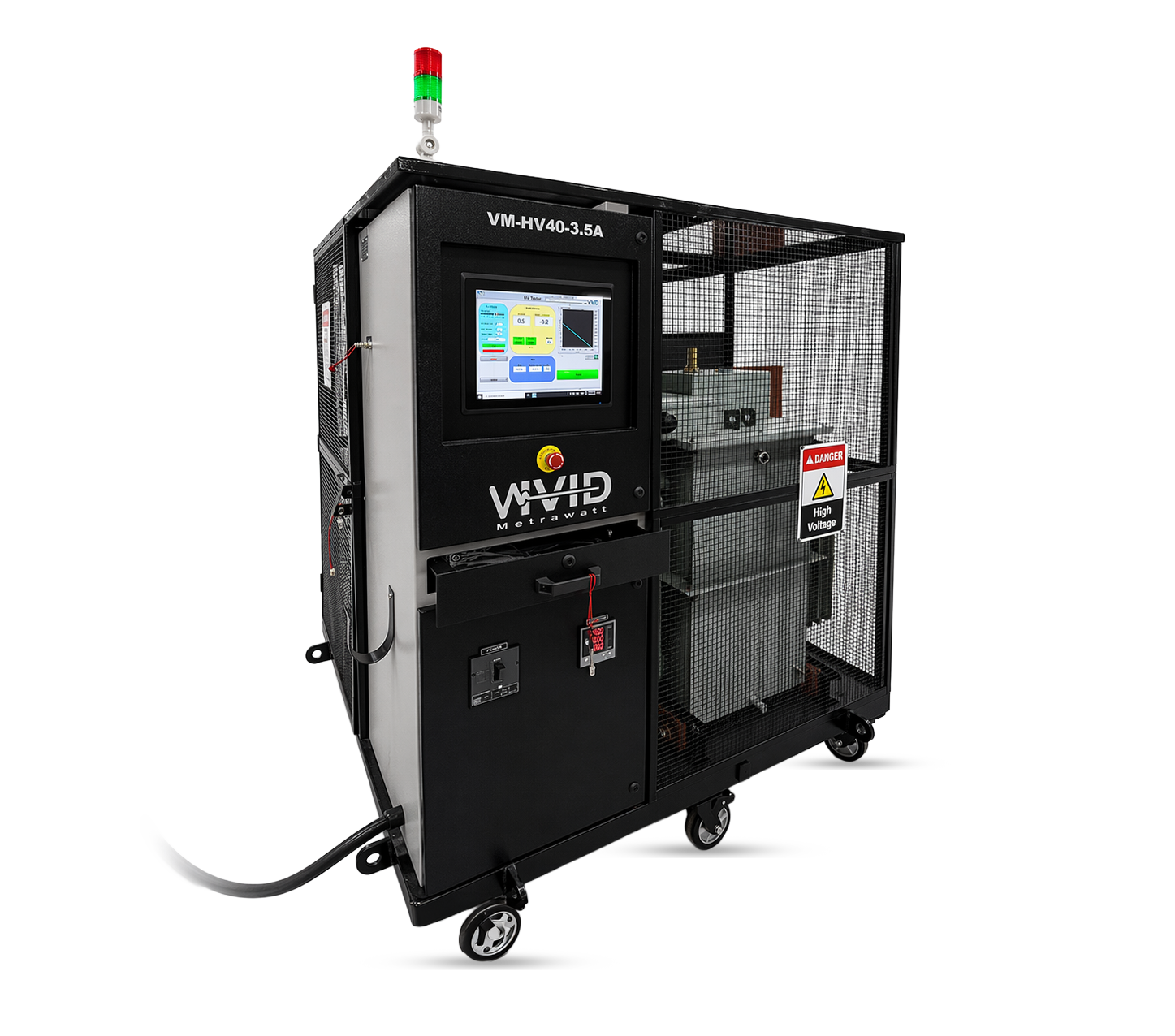

![Surge Testing for Wind Turbine Generators: Complete Guide [2026]](https://vividmetrawattglobal.com/wp-content/uploads/2026/09/a_wide_cinematic_industrial_outdoor_scene_at_an_o.webp)