
Regular testing of an armature is essential to keep electric motors running efficiently and to prevent costly repairs. A surge tester — such as the 1kV digital armature surge tester or the 3kV digital armature surge tester — is one of the best tools for this task, but knowing how to test armature using a surge tester can seem challenging. This guide breaks down each step, making it easy to assess armature health and ensure lasting motor performance. Whether you’re a technician or just getting started, these insights will help you protect your equipment and avoid unexpected breakdowns.
The armature is central to motor performance. Ensuring its health directly impacts the efficiency, reliability, and longevity of electric motors. Over time, wear and tear, exposure to extreme temperatures, and electrical surges can degrade the armature. Testing the armature with a surge tester can provide invaluable insights into its current condition, allowing for timely repairs or replacements, thus preventing costly breakdowns.
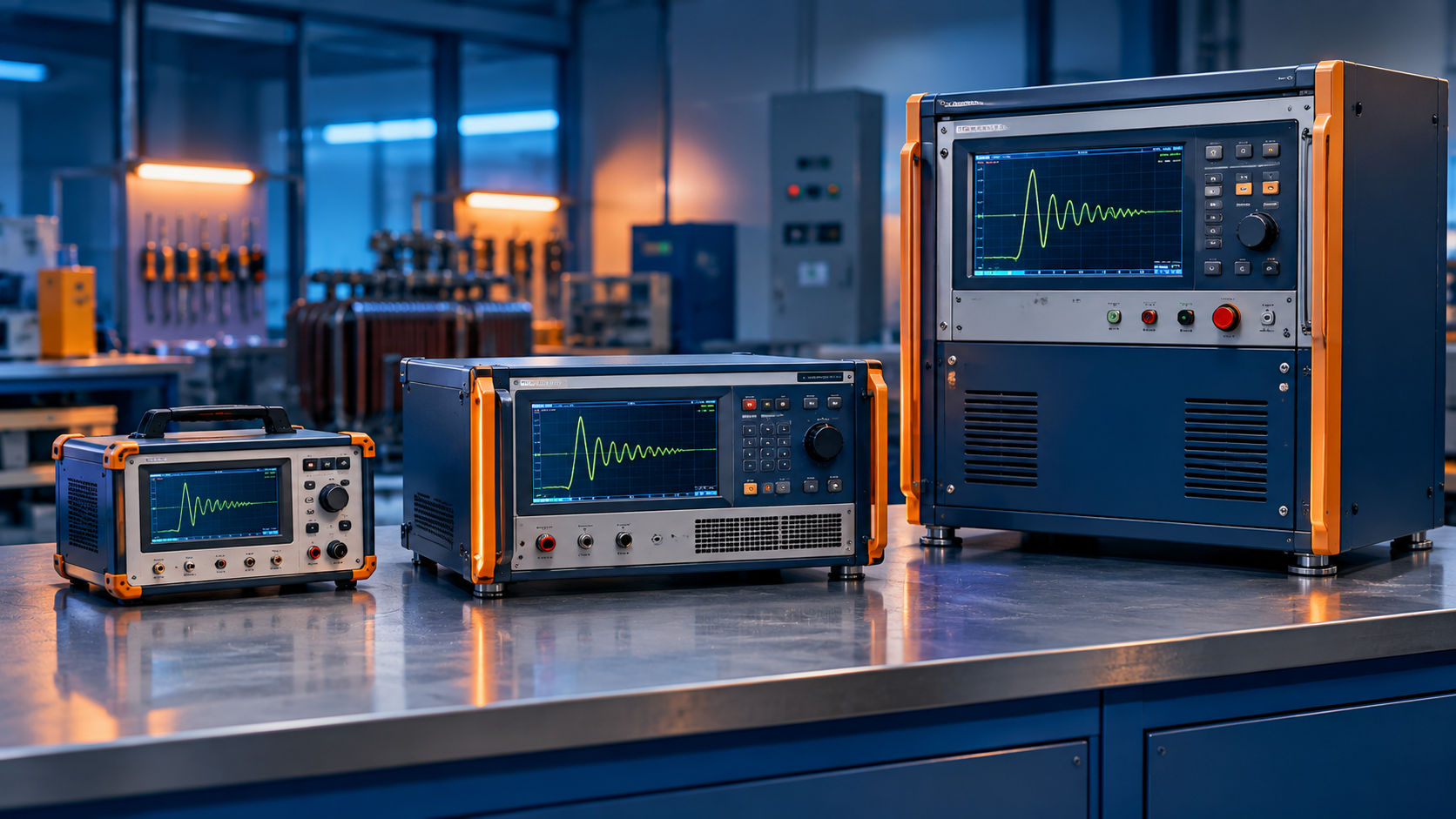
A surge tester, such as the VM5K/VM6K digital surge tester, is an essential diagnostic tool for identifying faults in electrical windings, such as short circuits, inter-turn faults, and winding insulation breakdowns. This tool uses high-voltage pulses to “surge” through the armature, helping pinpoint potential issues that might be invisible during routine inspections.
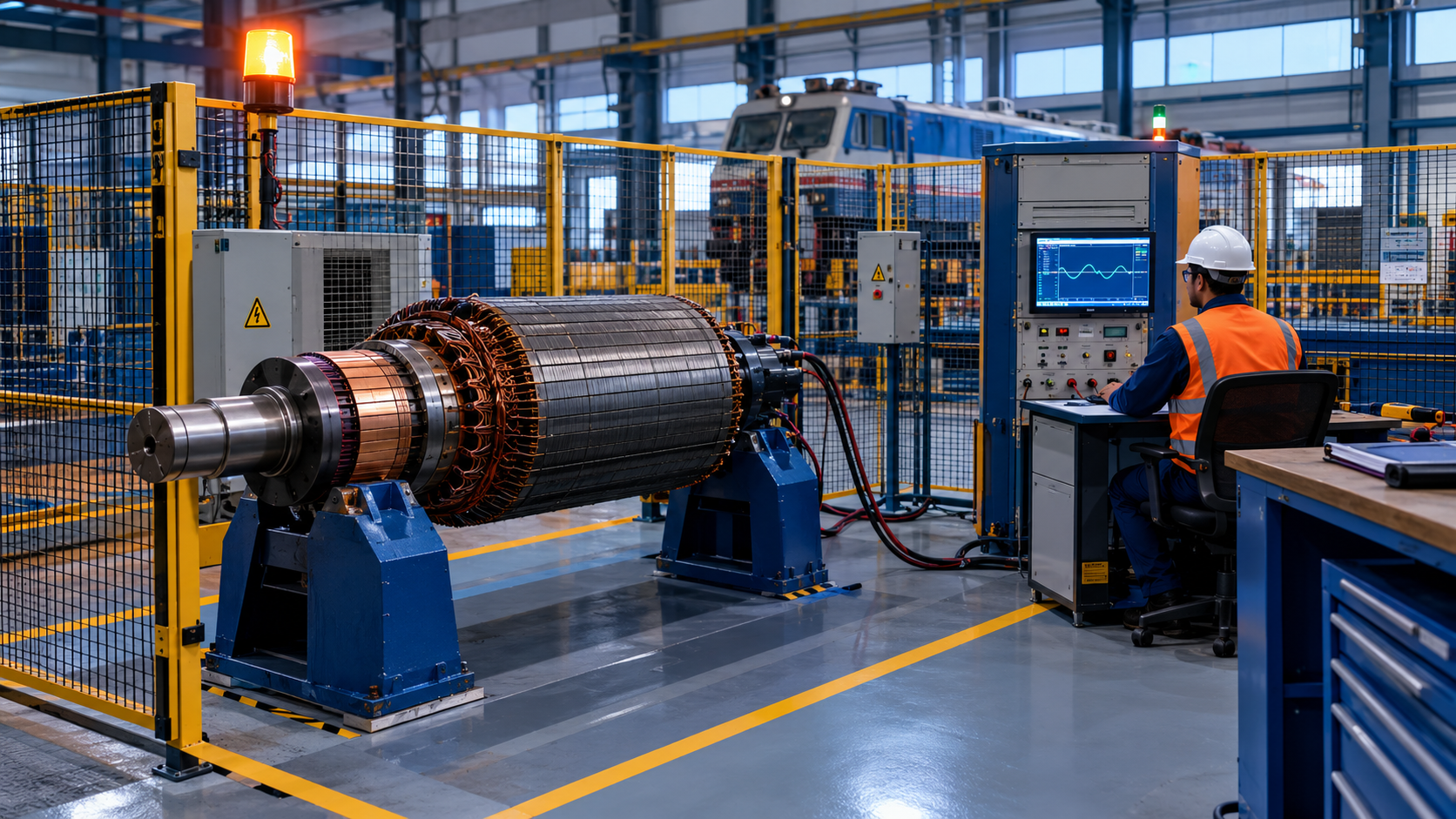
Surge testers work by introducing a high-voltage pulse into the armature windings. This pulse creates an oscillating waveform, which reflects the winding’s resistance and insulation condition. By observing these waveform patterns, technicians can assess whether the armature is functioning optimally or if it has significant insulation or winding issues.
Before beginning, follow these essential safety guidelines to protect yourself and ensure an accurate test:
A consistent waveform generally indicates a healthy armature, whereas fluctuations, irregular peaks, or drops in the wave could signal issues such as short circuits or weak insulation. For multi-winding armatures, a bar-to-bar test unit like the 6kV digital surge tester with bar-to-bar test makes it easier to compare waveforms across bars directly.
If an irregular waveform is detected:
Testing the armature using a surge tester is essential for anyone aiming to maximize motor performance and avoid unexpected breakdowns. This process can save both time and money, ensuring that motors remain operational longer and perform at their best. Regular surge testing, performed with care and precision using equipment like the 3kV automatic surge tester, can provide peace of mind and help maintain high-performance motors for years to come.
Accurate armature testing depends on precision surge testing equipment and the right technical approach.
Vivid Metrawatt Global provides advanced
surge testing solutions
designed to detect winding faults, insulation breakdowns, and performance inconsistencies with high accuracy.
If you need help selecting the right surge tester or interpreting test results for your motor applications, our engineering team is ready to support you.

![Surge Testing for Wind Turbine Generators: Complete Guide [2026]](https://vividmetrawattglobal.com/wp-content/uploads/2026/09/a_wide_cinematic_industrial_outdoor_scene_at_an_o.webp)